

Key Takeaways
- Speech and language delays are among the most common developmental concerns in early childhood, affecting approximately 1 in 12 children ages 3–17 (Rupert et al., 2023)
- Boys are approximately 2–3 times more likely to experience speech delay than girls (Ali et al., 2025)
- Speech and language delay is not the same as developmental language disorder (DLD). Delays may resolve with support, while DLD is a lifelong neurodevelopmental condition requiring ongoing intervention (Feltner et al., 2024)
- Early intervention produces the best long-term outcomes. Gains from early communication interventions are durable and persist over time (Pak et al., 2023)
- Children with untreated language disorders are at significantly higher risk for reading difficulties, academic underachievement, and social-emotional problems (Van Barreveld et al., 2025)
- Speech-language therapy is effective. Meta-analyses confirm meaningful improvements in expressive and receptive language for children receiving intervention compared to no treatment (Fan et al., 2022; Donolato et al., 2023)
- Parent and caregiver involvement in therapy significantly improves outcomes. What happens between sessions matters as much as the sessions themselves (Leafe et al., 2025)
Important
The information on this page is educational only and is not a substitute for a clinical evaluation or individualized therapy recommendations. If you are concerned about your child’s speech or language development, speak with your pediatrician and request a referral to a speech-language pathologist as soon as possible. Early evaluation produces the best outcomes.
Table of Contents
- What Are Speech and Language Delays?
- Speech Delay vs. Language Delay vs. DLD
- Developmental Milestones: What to Expect
- Warning Signs Across Age Groups
- Causes and Risk Factors
- How Speech and Language Is Evaluated
- Speech-Language Therapy: What the Evidence Shows
- What Parents and Caregivers Can Do at Home
- Long-Term Outcomes: Why Early Intervention Matters
- What Families Can Do
- A Note for Clinicians
- References
1. What Are Speech and Language Delays?
Speech and language development is one of the most important milestones of early childhood and one of the most common sources of parental concern. Approximately 1 in 12 children ages 3–17 in the United States have a speech or language disorder, making this one of the most prevalent developmental challenges seen in pediatric primary care and early childhood settings (Rupert et al., 2023).
A speech delay refers to a child whose spoken language is developing more slowly than expected for their age. They may produce fewer words, have difficulty with pronunciation, or be difficult to understand compared to same-age peers. A language delay refers to difficulty developing the broader system of language, including the rules, vocabulary, and structures used to understand and express meaning. The two often co-occur but represent different aspects of communication development (Feltner et al., 2024; Rupert et al., 2023).
When speech and language delays are identified and addressed early, ideally before age 3, outcomes are significantly better than when intervention is delayed. The brain’s capacity for language learning is greatest in the early years, and early speech-language therapy consistently produces durable gains that persist over time (Pak et al., 2023).
For Patients & Families
- If you are concerned about your child’s speech or language, trust your instincts. Parents are often the first to notice something is different, and early referral produces significantly better outcomes than waiting (Pak et al., 2023)
- Speech and language delays are not caused by bad parenting. They have neurological, genetic, and environmental roots that are not within a parent’s control (Ali et al., 2025; Feltner et al., 2024)
- Many children with early speech delays catch up with support, but children with language disorders may need ongoing therapy and academic accommodations throughout their schooling (Van Barreveld et al., 2025)
- You do not need a formal diagnosis to access a speech-language evaluation. A referral from your pediatrician is sufficient to begin the process (Rupert et al., 2023)
2. Speech Delay vs. Language Delay vs. Developmental Language Disorder
These three terms are often used interchangeably but they describe meaningfully different clinical situations. Understanding the difference helps families know what to expect and helps clinicians communicate clearly about prognosis and treatment (Feltner et al., 2024; Rupert et al., 2023).
Speech delay refers specifically to difficulty with the production of speech sounds, including articulation, pronunciation, and intelligibility. A child with a speech delay may have a clear understanding of language and good vocabulary but is hard to understand when speaking. Speech delays often respond well to targeted speech-language therapy (Rupert et al., 2023).
Language delay refers to slower-than-expected development of language, including vocabulary, grammar, comprehension, and the ability to construct and understand sentences. Language delay may affect expressive language (what the child produces), receptive language (what the child understands), or both. Some children with early language delays catch up without intervention; others require ongoing support (Feltner et al., 2024).
Developmental Language Disorder (DLD) is a lifelong neurodevelopmental condition characterized by persistent, significant language difficulties that affect daily functioning, in the absence of another known cause such as hearing loss, intellectual disability, or Autism Spectrum Disorder. DLD is not a phase. It persists into adolescence and adulthood and is associated with long-term impacts on academic achievement, employment, social relationships, and mental health (Van Barreveld et al., 2025; Wilmot et al., 2024).
DLD Affects Approximately 7–10% of Children
Developmental Language Disorder is one of the most common neurodevelopmental conditions, more common than Autism Spectrum Disorder, yet it remains significantly underrecognized by parents, educators, and clinicians (Feltner et al., 2024). Many children with DLD are identified late or not at all, missing critical windows for early intervention (Van Barreveld et al., 2025). A child who struggles with language in school is not simply a slow learner. They may have DLD and deserve a comprehensive SLP evaluation.
3. Developmental Milestones: What to Expect
Speech and language milestones provide a framework for recognizing typical development and identifying potential delays. These milestones represent the age  by which most children achieve each skill, not the age by which all children must (Rupert et al., 2023; Feltner et al., 2024).
Birth to 6 months (Rupert et al., 2023):
- Coos, gurgles, and makes soft vowel sounds in response to familiar voices
- Startles at loud sounds and turns toward familiar voices
- Smiles and makes eye contact during interactions
6 to 12 months (Rupert et al., 2023):
- Babbles with a variety of consonant-vowel combinations such as ba-ba, ma-ma, and da-da
- Responds to their name and simple words like “no”
- Uses gestures such as waving, pointing, and reaching to communicate
- First words may begin to emerge around 12 months
12 to 24 months (Rupert et al., 2023; Feltner et al., 2024):
- Approximately 10 words by 12 to 15 months and 50 or more words by 24 months
- Begins combining two words by 24 months, such as “more juice” or “daddy go”
- Understands simple instructions such as “Give me the ball” and “Come here”
- Points to show things of interest and to make requests
2 to 3 years (Rupert et al., 2023):
- Uses 200 to 300 words and three-word phrases by age 2, and simple sentences by age 3
- Speech is understandable to familiar adults about 50 to 75 percent of the time by age 2, and 75 to 100 percent by age 3
- Asks simple questions and follows two-step instructions
3 to 5 years (Rupert et al., 2023; Feltner et al., 2024):
- Sentences become longer and more complex, and most speech sounds are produced correctly
- Tells simple stories, asks many questions, and engages in back-and-forth conversations
- Speech is understandable to unfamiliar adults by age 4 to 5
- Knows colors, numbers, and basic concepts
For Patients & Families
- Milestones are guides, not strict deadlines. A few weeks of variation around most milestones is typical (Rupert et al., 2023)
- The most important warning sign at any age is a loss of previously acquired skills. If a child stops babbling, loses words, or stops responding to their name, seek evaluation immediately (Feltner et al., 2024)
- Bilingual and multilingual children may appear to have smaller vocabularies in each language, but their total vocabulary across languages is typically comparable to monolingual peers. Bilingualism does not cause speech or language delay (Feltner et al., 2024)
- If your child is not meeting milestones consistently, do not wait for the next well visit. Call your pediatrician now and request an SLP referral (Rupert et al., 2023)
4. Warning Signs Across Age Groups
The following signs at any age warrant prompt referral to a speech-language pathologist for evaluation (Rupert et al., 2023; Feltner et al., 2024).
Infants and toddlers (birth to 24 months) (Rupert et al., 2023; Feltner et al., 2024):
- No babbling by 12 months
- No gestures such as pointing or waving by 12 months
- No single words by 16 months
- No two-word combinations by 24 months
- Any loss of previously acquired language or social skills at any age requires immediate evaluation
- Does not respond to their name by 12 months
Preschool age (2 to 5 years) (Rupert et al., 2023; Feltner et al., 2024):
- Fewer than 50 words at 24 months or not combining words by 30 months
- Speech that is mostly unintelligible to unfamiliar adults after age 3
- Difficulty following simple instructions appropriate for age
- Frustration, tantrums, or withdrawal related to difficulty communicating
- Avoidance of social interaction or play with peers
School age (5 years and older) (Van Barreveld et al., 2025; Rupert et al., 2023):
- Difficulty learning to read or spell despite appropriate instruction
- Trouble following classroom directions or understanding lessons
- Difficulty retelling stories, organizing thoughts, or explaining ideas
- Social difficulties related to communication, such as being frequently misunderstood, avoiding conversation, or struggling to make friends
- Continued speech sound errors that make the child difficult to understand
For Clinicians
- The USPSTF (2024) found insufficient evidence to recommend universal screening for speech and language delay in children 5 and younger in primary care settings, but this does not mean clinicians should not screen. Surveillance at every well visit and prompt response to parental concern remains best practice (Feltner et al., 2024).
- Parental concern about speech and language is one of the strongest predictors of true delay. Take it seriously. Parents are right more often than not (Rupert et al., 2023).
- Any loss of previously acquired language skills is a red flag requiring urgent evaluation. This is a potential indicator of Autism Spectrum Disorder, Landau-Kleffner syndrome, or other neurological conditions (Feltner et al., 2024).
- Hearing loss is the most common and most easily missed cause of speech and language delay. Audiological evaluation should be part of every speech-language workup (Rupert et al., 2023).
5. Causes and Risk Factors
Speech and language delays have multiple potential causes, and in many children no single cause is identified. Understanding risk factors helps with early identification and appropriate referral (Ali et al., 2025; Rupert et al., 2023).
Biological and medical risk factors (Rupert et al., 2023; Feltner et al., 2024):
- Hearing loss: The most common and most treatable cause of speech and language delay. Even mild, fluctuating hearing loss from recurrent ear infections can significantly affect language development. Hearing should be tested in every child referred for speech-language concerns (Rupert et al., 2023).
- Prematurity: Premature birth is associated with increased risk of speech and language delays, as well as broader developmental challenges (Feltner et al., 2024).
- Neurological conditions: These include Autism Spectrum Disorder, cerebral palsy, intellectual disability, traumatic brain injury, and seizure disorders, all of which affect language development through different mechanisms (Feltner et al., 2024).
- Oral-motor differences: Structural differences affecting the mouth, tongue, palate, or jaw, including cleft palate, can affect speech production and intelligibility (Rupert et al., 2023).
Genetic and family factors (Ali et al., 2025):
- Family history of speech or language delay is one of the strongest individual risk factors. Children with an affected first-degree relative are more than twice as likely to have speech delay (Ali et al., 2025)
- Male sex is a significant risk factor. Boys are approximately 3 times more likely to have speech delay than girls (Ali et al., 2025)
- DLD has a significant genetic component. It runs in families and is associated with specific gene variants affecting language-related brain development (Van Barreveld et al., 2025)
Environmental and social factors (Feltner et al., 2024; Rupert et al., 2023):
- Reduced quantity and quality of language input at home is associated with slower vocabulary development, though it is not a cause of DLD itself (Pak et al., 2023)
- Excessive screen time without interactive communication has been associated with reduced language input and delayed vocabulary development in toddlers (Feltner et al., 2024)
- Lower socioeconomic status is associated with higher rates of language delay, largely through reduced access to language-rich environments and early intervention services (Feltner et al., 2024)
For Patients & Families
- Having a family member with a speech or language history does not mean your child will have the same, but it does mean earlier monitoring and referral is warranted (Ali et al., 2025)
- Hearing loss can be subtle. A child can pass a basic hearing screening and still have hearing difficulties that affect language. If speech or language concerns persist after a normal screening, request a full audiological evaluation (Rupert et al., 2023)
- Screen time is a contributing factor, not a primary cause. Reducing passive screen time and replacing it with face-to-face conversation and shared reading is one of the most powerful things a family can do for language development (Feltner et al., 2024)
6. How Speech and Language Is Evaluated
A comprehensive speech and language evaluation is conducted by a licensed speech-language pathologist (SLP) and typically includes multiple components to build a complete picture of the child’s communication abilities (Rupert et al., 2023; Feltner et al., 2024).
- Parent and caregiver interview: Detailed developmental history including prenatal and birth history, developmental milestones, medical history, family history of speech or language concerns, and current communication in daily life at home and in childcare settings (Rupert et al., 2023)
- Hearing screening or referral: Hearing should be assessed or confirmed normal as part of every speech and language evaluation. Hearing loss must be ruled out before other causes are pursued (Rupert et al., 2023; Feltner et al., 2024).
- Standardized language testing: Norm-referenced assessments that compare the child’s performance to same-age peers across receptive language, expressive language, vocabulary, grammar, and sentence structure (Feltner et al., 2024)
- Speech sound assessment: Evaluation of which speech sounds the child produces correctly and incorrectly, how intelligible their speech is to familiar and unfamiliar listeners, and whether speech errors are developmental or suggest an underlying motor speech disorder (Rupert et al., 2023)
- Language sample analysis: Observing and analyzing the child’s spontaneous communication during play or structured activities. This is often the most ecologically valid window into real-world language use (Feltner et al., 2024).
- Oral-motor examination: Assessment of the structure and function of the mouth, lips, tongue, and palate for any physical factors affecting speech production (Rupert et al., 2023)
Evaluation findings lead to a clinical profile that guides whether intervention is recommended, what type of intervention is appropriate, and at what intensity. Results are shared with parents and the child’s pediatrician, and referrals to audiology, neurology, or developmental pediatrics are made when appropriate (Feltner et al., 2024).
For Clinicians
- Standardized testing alone is insufficient. Language sample analysis and parent report together provide essential information that structured testing misses, particularly for pragmatic and narrative language skills (Rupert et al., 2023).
- Children with DLD often perform better on structured testing than in naturalistic communication settings. The gap between test scores and real-world function is clinically meaningful and should be documented (Feltner et al., 2024).
- Bilingual children should be assessed in both languages when possible. Testing in only one language significantly underestimates language ability and leads to over-identification of delay in bilingual children (Feltner et al., 2024).
- The AAFP recommends referral to SLP for any child who fails a speech-language screen or whose parents express concern, without waiting for further developmental monitoring (Rupert et al., 2023).
7. Speech-Language Therapy: What the Evidence Shows
Speech-language therapy is effective for children with speech and language delays and disorders. The evidence is clear and consistent across multiple systematic reviews and meta-analyses (Fan et al., 2022; Donolato et al., 2023; Pak et al., 2023).
A 2022 meta-analysis examining language therapy alone for children with developmental language disorder found significant positive effects on both expressive and receptive language outcomes compared to no treatment, with the largest effects seen in expressive language (Fan et al., 2022). A 2023 systematic review and meta-analysis of oral language interventions for children with neurodevelopmental disorders, including DLD, Autism Spectrum Disorder, Down syndrome, and intellectual disability, confirmed that language interventions produce meaningful improvements in language outcomes across diagnoses (Donolato et al., 2023).
Critically, these gains are durable. A 2023 systematic review and meta-analysis specifically examining the long-term effects of early communication interventions found that the benefits of early intervention persist over time and do not fade once therapy ends. The durability of gains was associated with the magnitude of immediate effects and the involvement of caregivers as intervention implementers (Pak et al., 2023).
Evidence-based SLP intervention approaches include (Donolato et al., 2023; Pak et al., 2023; Leafe et al., 2025):
- Naturalistic language intervention: Language teaching embedded within everyday play and routines. This is the most developmentally appropriate and ecologically valid approach for young children (Donolato et al., 2023).
- Enhanced Milieu Teaching (EMT): A naturalistic, caregiver-mediated approach with strong evidence for improving vocabulary and early language in toddlers and preschoolers (Pak et al., 2023)
- Focused stimulation: Repeated, emphasized exposure to target words or language structures within meaningful activities, used for vocabulary and grammar targets (Fan et al., 2022)
- Phonological intervention: Structured approaches targeting the sound system of language, effective for speech sound disorders and foundational literacy (Rupert et al., 2023)
- Parent-implemented intervention: Training caregivers to use specific language facilitation strategies during daily routines, effective for expanding gains beyond the therapy session (Leafe et al., 2025)
For Patients & Families
- Speech-language therapy works. Multiple high-quality studies confirm meaningful improvements in children who receive intervention compared to those who do not (Fan et al., 2022; Donolato et al., 2023)
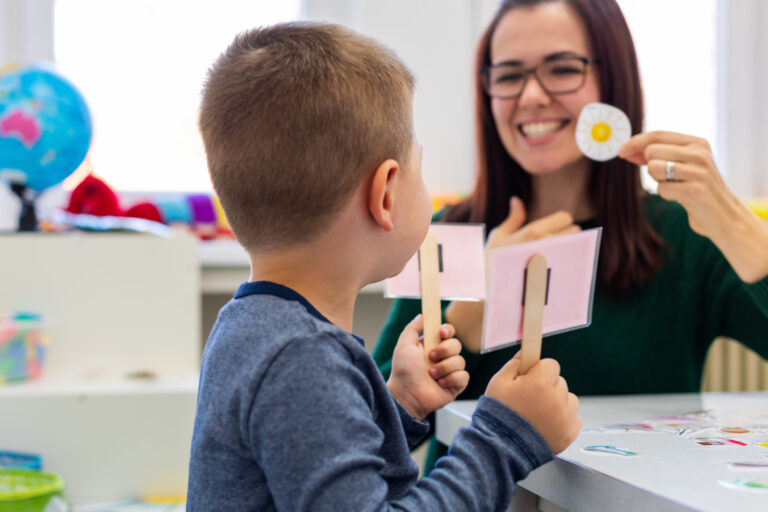
- Therapy for young children looks like play. It is structured and goal-directed but child-led, engaging, and embedded in activities the child finds motivating (Donolato et al., 2023)
- The gains from early intervention last. They do not fade when therapy ends, especially when caregivers are taught to continue strategies at home (Pak et al., 2023)
- Do not wait to see if your child grows out of it. Research does not support watchful waiting for children who are not meeting language milestones. Early referral is the right call (Rupert et al., 2023; Feltner et al., 2024)
For Clinicians
- A 2022 meta-analysis confirmed significant positive effects of language therapy for DLD. Both expressive and receptive language improved meaningfully with intervention versus no treatment (Fan et al., 2022).
- A 2023 meta-analysis confirmed durability of early intervention effects over time. Gains persist, which is a strong argument for early intensive intervention rather than delayed referral (Pak et al., 2023).
- Caregiver involvement is not optional. It is one of the strongest predictors of durable outcomes. Building structured parent training into every treatment plan is both evidence-based and clinically efficient (Leafe et al., 2025).
- Intensity matters. More frequent, higher-dose intervention produces better outcomes. When access is limited, parent-implemented home programs that extend practice into daily routines are an evidence-supported approach (Leafe et al., 2025).
8. What Parents and Caregivers Can Do at Home
The language environment a child experiences at home is one of the most powerful predictors of language development. Research consistently shows that the quantity and quality of language input, including how much parents talk to children, how responsive they are, and how often they read together, directly influences vocabulary growth and language outcomes (Pak et al., 2023; Leafe et al., 2025).
Evidence-supported strategies for building language at home (Pak et al., 2023; Leafe et al., 2025; Feltner et al., 2024):
- Talk more, all the time. Narrate what you are doing throughout the day, during diaper changes, meals, bath time, and errands. The sheer quantity of language a child hears predicts vocabulary development (Pak et al., 2023).
- Follow the child’s lead. Talk about what the child is looking at and interested in. Joint attention, which is shared focus on the same object or activity, is the optimal window for language learning (Donolato et al., 2023).
- Expand and extend. When a child says “ball,” respond with “Yes, the red ball” or “The ball rolled away.” Adding one or two words to what the child says models more complex language without overwhelming them (Leafe et al., 2025).
- Read together every day. Shared book reading is one of the highest-yield language activities available at any age. It introduces vocabulary, sentence structures, and narrative skills that are foundational for literacy (Pak et al., 2023).
- Reduce screen time for children under 2. Passive screen time does not support language learning. It displaces the face-to-face interaction that does (Feltner et al., 2024).
- Pause and wait. Give the child time to initiate and respond. Waiting communicates that you expect them to communicate, which is itself a powerful language prompt (Leafe et al., 2025).
For Patients & Families
- You are your child’s most important language teacher. The strategies above are not extras; they are the foundation of language development (Pak et al., 2023)
- Reading together daily from infancy, even before a child can understand the words, builds the neural pathways for language and literacy (Pak et al., 2023)
- If your child is receiving SLP services, ask the therapist to teach you the specific strategies they are using in sessions so you can practice them at home. Carryover into daily routines is where the most lasting gains happen (Pak et al., 2023; Leafe et al., 2025)
- Conversation, books, songs, and play are the most evidence-supported language tools available for young children, and they are free (Donolato et al., 2023)
9. Long-Term Outcomes: Why Early Intervention Matters
The consequences of unaddressed speech and language difficulties extend far beyond the toddler years. Children with developmental language disorder and untreated speech and language delays are at significantly elevated risk for a range of academic, social, and emotional difficulties that persist into adolescence and adulthood (Van Barreveld et al., 2025; Wilmot et al., 2024).
Academic outcomes: DLD is one of the strongest predictors of reading and literacy difficulties. Children with language disorders struggle with phonological awareness, the ability to hear and manipulate the sound structure of words, vocabulary, reading comprehension, and written expression. Without intervention and support, these difficulties widen over time rather than resolving (Van Barreveld et al., 2025).
Social and emotional outcomes: A 2025 systematic review of social-emotional functioning in children and adolescents with language disorders confirmed that DLD is associated with significantly higher rates of anxiety, depression, peer difficulties, loneliness, and reduced quality of life across development (Van Barreveld et al., 2025). Children with language difficulties often struggle to navigate social situations, understand humor and sarcasm, and express their emotions, and these challenges compound over time without appropriate support (Van Barreveld et al., 2025).
Mental health and wellbeing in adulthood: Adults with DLD report significant impacts on mental health and wellbeing, including difficulties in employment, relationships, and self-advocacy (Wilmot et al., 2024). Many adults with DLD did not receive adequate support in childhood, underscoring the critical importance of early identification and sustained intervention (Wilmot et al., 2024).
The case for early intervention is strong. The gains from early communication interventions are durable. They persist over time and reduce the risk of cascading difficulties in reading, social development, and emotional wellbeing (Pak et al., 2023). Every year of unaddressed language difficulty is a year of missed opportunity during the brain’s most plastic developmental period.
For Clinicians
- DLD is a lifelong condition. Framing it as a childhood phase that children grow out of is clinically inaccurate and harmful. Children with DLD need sustained support through schooling and into adulthood (Van Barreveld et al., 2025; Wilmot et al., 2024).
- Social-emotional and mental health screening should be part of ongoing DLD management. Anxiety and depression are significantly more common in this population and are frequently underidentified (Van Barreveld et al., 2025).
- School-based SLP services, IEP and 504 accommodations, and reading intervention should all be considered for children with DLD entering school. The academic consequences of untreated DLD are severe and avoidable with appropriate support (Van Barreveld et al., 2025).
- Adults with DLD remain largely invisible in healthcare and mental health settings. Clinicians working with adults should screen for childhood language history when unexplained literacy, employment, or social difficulties are present (Wilmot et al., 2024).
10. What Families Can Do
Family involvement is consistently identified as one of the most important factors in speech and language outcomes. Whether a child is receiving formal SLP services or families are working independently to support language development at home, the following actions make a meaningful difference (Pak et al., 2023; Leafe et al., 2025).
- Act early and do not wait. If you are concerned about your child’s speech or language, request a referral today. Research does not support watchful waiting. Earlier intervention produces better, more durable outcomes (Pak et al., 2023).
- Be present and engaged. Language development happens in conversation, not in front of screens. The most powerful thing a family can do is talk with their child about everything, all day long (Pak et al., 2023).
- Attend SLP sessions and learn strategies. Ask your child’s SLP to teach you the strategies they are using and how to carry them over into daily routines. Bath time, meals, car rides, and bedtime stories are all language opportunities (Leafe et al., 2025).
- Read every day. Daily shared book reading from infancy is one of the highest-yield language activities available at any age. Start before the child can talk and keep going through the school years (Pak et al., 2023).
- Advocate at school. If your child has a language disorder, they may qualify for school-based SLP services, an Individualized Education Program (IEP), or a 504 accommodation plan. Request an evaluation from the school district if needed (Van Barreveld et al., 2025).
- Connect with other families. Organizations like the American Speech-Language-Hearing Association (ASHA, asha.org) and RADLD (radld.org) provide family resources, support communities, and information about DLD specifically.
When to Request an SLP Referral
- No babbling by 12 months or no single words by 16 months (Rupert et al., 2023)
- No two-word combinations by 24 months (Rupert et al., 2023)
- Any loss of previously acquired language or social skills at any age requires urgent evaluation (Feltner et al., 2024)
- Speech that is mostly unintelligible to unfamiliar adults after age 3 (Rupert et al., 2023)
- Difficulty following simple instructions appropriate for the child’s age (Feltner et al., 2024)
- Persistent difficulty learning to read or spell in school-age children (Van Barreveld et al., 2025)
- Social difficulties that appear linked to communication challenges (Van Barreveld et al., 2025)
- Parental concern at any age. Do not wait for the next well visit if you are worried now (Rupert et al., 2023).
- Following a new diagnosis of autism spectrum disorder, Down syndrome, cerebral palsy, cleft palate, or other condition affecting communication. SLP evaluation should be part of the initial assessment (Feltner et al., 2024).
- A family history of speech delay, language disorder, or reading difficulty increases risk and justifies earlier monitoring (Ali et al., 2025)
11. A Note for Clinicians
Speech and language delay is one of the most common developmental concerns encountered in pediatric primary care and one of the most frequently undertreated. Systematic developmental surveillance at every well visit, prompt response to parental concern, and a low threshold for SLP referral remain best practice (Feltner et al., 2024; Rupert et al., 2023).
The distinction between speech delay, language delay, and developmental language disorder has important clinical implications. DLD is not a phase. It is a lifelong neurodevelopmental condition affecting approximately 7 to 10 percent of children and associated with significant long-term impacts on academic achievement, mental health, employment, and quality of life. Children with DLD need sustained support through their entire education and often into adulthood (Van Barreveld et al., 2025; Wilmot et al., 2024).
The evidence base for speech-language intervention is strong. Multiple meta-analyses confirm that SLP intervention produces meaningful, durable improvements in language outcomes compared to no treatment, and that caregiver-implemented approaches extend these gains into the home and daily life contexts where language is actually used (Fan et al., 2022; Donolato et al., 2023; Pak et al., 2023; Leafe et al., 2025).
Hearing loss remains the most commonly missed cause of speech and language delay. Audiological evaluation should be part of every speech-language workup, not an afterthought. Similarly, bilingual children are frequently over-referred due to misunderstanding of typical bilingual development, or under-referred due to the assumption that limited English explains their language difficulties. Comprehensive assessment in both languages, when possible, is essential for accurate identification (Feltner et al., 2024).
Related Pages on TherapyTopics
- Autism Spectrum Disorder — Sensory differences, communication challenges, OT and SLP intervention, and caregiver strategies
- Sensory Processing & Integration — Sensory differences affecting communication, participation, and daily function in children
- Aphasia — Acquired language disorder following stroke or brain injury, including SLP evaluation and treatment
- Augmentative & Alternative Communication (AAC) — Communication devices and strategies for children with limited verbal speech
- Adaptive Feeding — Feeding challenges in children including oral-motor difficulties and dysphagia management
12. References
- Ali, S. A., El-Setouhy, M., Albasheer, O., Alqassim, A. Y., Muaddi, M. A., Jareebi, M. A., Mkeen, A. M., Alattas, K. K. M., Alshareef, G. M. A., Koko, R. F. I., Masmali, O. M. H., Julajil, F. M. A., Dalak, F. E. L., Hakami, R. A., & Alharbi, A. A. (2025). Sociodemographic, health, and environmental determinants of speech delay in children: A case–control study. Medicine, 104(34), e43817. https://doi.org/10.1097/MD.0000000000043817
- Cappadona, I., Ielo, A., La Fauci, M., Tresoldi, M., Settimo, C., De Cola, M. C., Muratore, R., De Domenico, C., Di Cara, M., Corallo, F., Tripodi, E., Impallomeni, C., Quartarone, A., & Cucinotta, F. (2023). Feasibility and effectiveness of speech intervention implemented with a virtual reality system in children with developmental language disorders: A pilot randomized control trial. Children, 10(8), 1336. https://doi.org/10.3390/children10081336
- Donolato, E., Toffalini, E., Rogde, K., Nordahl-Hansen, A., Lervåg, A., Norbury, C., & Melby-Lervåg, M. (2023). Oral language interventions can improve language outcomes in children with neurodevelopmental disorders: A systematic review and meta-analysis. Campbell Systematic Reviews, 19(4), e1368. https://doi.org/10.1002/cl2.1368
- Fan, S., Ma, B., Song, X., & Wang, Y. (2022). Effect of language therapy alone for developmental language disorder in children: A meta-analysis. Frontiers in Psychology, 13, 922866. https://doi.org/10.3389/fpsyg.2022.922866
- Feltner, C., Wallace, I. F., Nowell, S., et al. (2024). Screening for speech and language delays and disorders in children age 5 years or younger: An evidence review for the U.S. Preventive Services Task Force (Evidence Synthesis No. 234). Agency for Healthcare Research and Quality. https://www.ncbi.nlm.nih.gov/sites/books/NBK599717/
- Leafe, N., Pagnamenta, E., Taggart, L., Donnelly, M., Hassiotis, A., & Titterington, J. (2025). What works, how and in which contexts when using digital health to support parents/carers to implement intensive speech and language therapy at home for children with speech sound disorder? A realist review. PLoS One, 20(5), e0321647. https://doi.org/10.1371/journal.pone.0321647
- Pak, N. S., Chow, J. C., Dillehay, K. M., & Kaiser, A. P. (2023). Long-term effects of early communication interventions: A systematic review and meta-analysis. Journal of Speech, Language, and Hearing Research, 66(8), 2884–2899. https://doi.org/10.1044/2023_JSLHR-22-00711
- Rupert, J., Hughes, P., & Schoenherr, D. (2023). Speech and language delay in children. American Family Physician, 108(2), 181–188. https://www.aafp.org/pubs/afp/issues/2023/0800/speech-language-delay-children.html
- Van Barreveld, M., Scheper, A., Vissers, C., Duinmeijer, I., & Hakvoort, B. (2025). Social–emotional functioning and quality of life in language disorders: A systematic review of development from childhood to adolescence. International Journal of Language and Communication Disorders. https://doi.org/10.1111/1460-6984.70039
- Wilmot, A., Boyes, M., Sievers, R., Leitão, S., & Norbury, C. (2024). Impact of developmental language disorders on mental health and well-being across the lifespan: A qualitative study including the perspectives of UK adults with DLD and Australian speech-language therapists. BMJ Open, 14(10), e087532. https://doi.org/10.1136/bmjopen-2024-087532
© TherapyTopics.com — All information is for educational purposes only and does not constitute medical or therapeutic advice. Consult a licensed therapist or physician for evaluation and treatment.