

Key Takeaways
- Cerebral palsy (CP) is the most common physical disability in childhood, affecting approximately 1.6 per 1,000 live births in high-income countries (McIntyre et al., 2022)
- CP results from a non-progressive brain injury occurring before, during, or shortly after birth, but its functional effects evolve throughout the lifespan (Novak et al., 2025)
- Occupational therapy, physical therapy, and speech-language pathology each address distinct and critical aspects of functioning in CP — together they form the core of multidisciplinary rehabilitation (Fernandez-Cardenas et al., 2025; Gonzalez et al., 2023)
- Early, intensive intervention improves motor, communication, and daily living outcomes — the earlier therapy begins, the better the long-term results (Novak et al., 2025)
- Up to 80% of children with CP have communication difficulties, and augmentative and alternative communication (AAC) can significantly improve participation when speech is limited (Allison et al., 2024)
- Caregiver burden in families of children with CP is significant — supporting the whole family, not only the child, is an essential component of CP care (Mimouni-Bloch et al., 2023)
Important
The information on this page is educational only and is not a substitute for a clinical evaluation or individualized therapy recommendations. Cerebral palsy is a complex, lifelong condition that requires individualized care from a multidisciplinary team. Please consult your child’s physician and rehabilitation team for guidance specific to your child’s needs.
Table of Contents
- What Is Cerebral Palsy?
- Types and Classification of CP
- Signs, Symptoms, and Co-occurring Conditions
- Who Provides Therapy for People with CP?
- Occupational Therapy in CP
- Physical Therapy in CP
- Speech-Language Pathology in CP
- CP Across the Lifespan
- What Families Can Do
- A Note for Clinicians
- References
1. What Is Cerebral Palsy?
Cerebral palsy (CP) is the most common physical disability in childhood. It affects movement, posture, and motor function, and results from a non-progressive injury to the developing brain that occurs before, during, or shortly after birth. Although the brain injury itself does not worsen over time, the functional consequences of CP change and evolve across the lifespan (Novak et al., 2025).
The prevalence of CP in high-income countries is approximately 1.6 per 1,000 live births, a figure that has decreased over recent decades due to advances in perinatal care (McIntyre et al., 2022). However, CP remains the leading cause of childhood physical disability globally, and its prevalence is significantly higher in low- and middle-income countries where access to perinatal care is limited (McIntyre et al., 2022).
CP is a broad diagnostic category, not a single condition. It includes a wide spectrum of severity, from individuals who walk independently with mild coordination difficulties to those who require complex technology and full care assistance for all daily activities. The variability in CP means that no two individuals with CP have identical clinical profiles, and care must always be individualized (Novak et al., 2025; Paul et al., 2022).
For Patients & Families
- CP is caused by a brain injury, not by anything a parent did or did not do during pregnancy or childbirth in most cases (Novak et al., 2025)
- CP does not get worse over time — the brain injury is non-progressive. However, the physical effects such as muscle tightness and joint changes can evolve as the child grows (Paul et al., 2022)
- There is no cure for CP, but therapy and intervention can significantly improve function, independence, and quality of life at every stage of development (Novak et al., 2025)
- Early diagnosis — now possible as early as 3 months of age — enables earlier intervention and consistently better outcomes (Novak et al., 2025)
2. Types and Classification of CP
CP is classified by the type of movement disorder and by the parts of the body affected. Understanding these classifications helps guide therapy planning and goal setting (Paul et al., 2022; Novak et al., 2025).
By movement type:
- Spastic CP (most common, approximately 80–85% of cases): Characterized by increased muscle tone (stiffness), which causes stiff, jerky movements. Spasticity can affect one side of the body (hemiplegia), both legs (diplegia), or all four limbs and the trunk (quadriplegia) (Paul et al., 2022)
- Dyskinetic CP: Characterized by involuntary, uncontrolled movements caused by fluctuating muscle tone. Includes athetoid (slow, writhing), choreiform (rapid, jerky), and dystonic subtypes (Paul et al., 2022)
- Ataxic CP (least common): Characterized by problems with balance and coordination, often with a wide-based gait and difficulty with precise movements (Paul et al., 2022)
- Mixed CP: Features of more than one movement type, most commonly spastic and dyskinetic features together
By functional classification:
The Gross Motor Function Classification System (GMFCS) is a standardized five-level system that describes gross motor function in individuals with CP, from Level I (walks without limitations) to Level V (requires powered mobility or full physical assistance for all transfers). The GMFCS is widely used in clinical practice and research to communicate functional ability and guide therapy goals (Novak et al., 2025).
Early Diagnosis Is Now Possible
Advances in neuroimaging and standardized developmental assessments — including the General Movements Assessment and the Hammersmith Infant Neurological Examination — now allow CP to be identified in infants as young as 3 months of age. Early identification enables earlier access to therapy during the brain’s most neuroplastic period, consistently improving outcomes for children with CP (Novak et al., 2025).
3. Signs, Symptoms, and Co-occurring Conditions
The primary features of CP are motor impairments, but CP frequently co-occurs with a wide range of other conditions that must be addressed as part of comprehensive care (Novak et al., 2025; Paul et al., 2022).
Primary motor signs:
- Abnormal muscle tone — either increased (spasticity, rigidity) or decreased (hypotonia), or fluctuating (dyskinesia) (Paul et al., 2022)
- Impaired voluntary movement, coordination, and balance (Gonzalez et al., 2023)
- Abnormal reflexes and motor patterns affecting posture and gait (Gonzalez et al., 2023)
- Limb length discrepancies and skeletal deformities that develop over time in response to abnormal muscle forces (Novak et al., 2025)
Co-occurring conditions (present in many but not all individuals with CP):
- Intellectual disability: Present in approximately 50% of individuals with CP, ranging from mild to severe (Paul et al., 2022)
- Epilepsy: Affects approximately 25–45% of individuals with CP and requires medical management (Paul et al., 2022)
- Speech and communication difficulties: Up to 80% of children with CP have some degree of communication difficulty, ranging from mild dysarthria (slurred speech) to complete absence of speech (Korkalainen et al., 2023)
- Feeding and swallowing difficulties (dysphagia): Very common, particularly in those with severe motor involvement, and can affect nutrition, health, and safety (Allison et al., 2024)
- Visual impairment: Affects approximately 50% of individuals, including refractive errors, strabismus, and cortical visual impairment (Novak et al., 2025)
- Pain: A significant and often underaddressed feature of CP across all ages, including musculoskeletal pain, spasticity-related pain, and pain from hip displacement (Novak et al., 2025)
- Mental health conditions: Including anxiety and depression, which are significantly more prevalent in individuals with CP than in the general population (Novak et al., 2025)
For Patients & Families
- CP affects much more than movement. Pain, communication, feeding, vision, learning, and mental health are all areas that may need attention and should be included in your child’s care plan (Novak et al., 2025)
- Pain in CP is often underreported and undertreated, particularly in children who cannot communicate verbally. Tell your care team if your child shows signs of discomfort, including changes in behavior, sleep, or eating (Novak et al., 2025)
- Many children with CP have typical or above-average intelligence — do not assume cognitive ability from motor function. Children with severe physical CP may have excellent intellectual capacity (Paul et al., 2022)
- Mental health support for both the child and the family is a legitimate and important part of CP care, not a luxury (Mimouni-Bloch et al., 2023)
4. Who Provides Therapy for People with CP?
CP is a complex, multifaceted condition that requires a coordinated multidisciplinary team. No single discipline can address all of the functional, developmental, and participation-related needs of an individual with CP (Novak et al., 2025; Dimakopoulos et al., 2024). 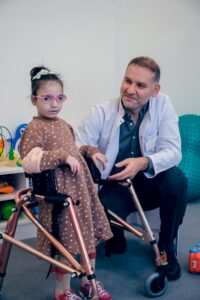
- Occupational therapy (OT): Daily living skills, fine motor function, sensory processing, adaptive equipment, assistive technology, and participation in school and community life (Fernandez-Cardenas et al., 2025)
- Physical therapy (PT): Gross motor development, mobility, balance, gait training, spasticity management, and fall prevention (Gonzalez et al., 2023)
- Speech-language pathology (SLP): Communication, feeding and swallowing, augmentative and alternative communication (AAC), and language development (Korkalainen et al., 2023)
- Developmental pediatrician or physiatrist: Overall medical management, co-occurring condition monitoring, spasticity treatment including botulinum toxin and oral medications, and care coordination (Novak et al., 2025)
- Orthopedics: Monitoring and managing skeletal complications including hip displacement, scoliosis, and contractures. Surgical intervention when conservative management is insufficient (Novak et al., 2025)
- Neuropsychology: Cognitive assessment, learning profile evaluation, and mental health support (Paul et al., 2022)
- Dietitian: Nutritional assessment and management, particularly for children with feeding difficulties and dysphagia (Allison et al., 2024)
- Social work: Family support, community resources, school advocacy, transition planning, and funding navigation
For Clinicians
- Coordinated multidisciplinary care consistently produces better participation outcomes than single-discipline management in CP (Dimakopoulos et al., 2024). Regular team communication and shared goal-setting with the family are essential.
- Goals should be family-centered and participation-focused rather than exclusively impairment-focused. Improving how a child participates in daily life — not just reducing spasticity — is the primary aim of rehabilitation in CP (Dimakopoulos et al., 2024).
- The GMFCS level provides a reliable, standardized framework for communicating functional ability across the team and with families. Using it consistently improves care coordination (Novak et al., 2025).
- Reassessment at every developmental transition — early childhood, school entry, adolescence, and transition to adult services — is essential. CP needs and priorities change substantially across the lifespan (Novak et al., 2025).
5. Occupational Therapy in CP
Occupational therapy addresses the activities and roles that are meaningful to the child and family — from eating breakfast and getting dressed to writing, playing, and participating in school. OT focuses on helping children with CP develop, maintain, or regain functional independence across all areas of daily life (Fernandez-Cardenas et al., 2025; Martínez-Rodríguez et al., 2025).
A 2025 systematic review with meta-analysis confirmed that OT-based interventions produce significant improvements in both gross motor function and independence in activities of daily living (ADLs) in children with CP. The review, which followed Cochrane and PRISMA standards and covered RCTs from 2024 through 2025, found meaningful effects across multiple functional domains (Fernandez-Cardenas et al., 2025).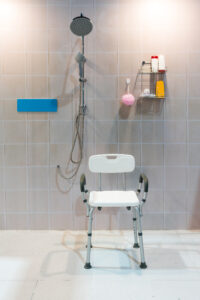
Key areas of OT intervention in CP include (Fernandez-Cardenas et al., 2025; Martínez-Rodríguez et al., 2025):
- Activities of daily living (ADLs): Feeding, dressing, grooming, bathing, and toileting. OT works with the child and caregivers to adapt tasks, develop strategies, and introduce adaptive equipment that supports independence (Fernandez-Cardenas et al., 2025)
- Fine motor and upper limb function: Hand strength, coordination, and grip are critical for school tasks, self-care, and play. OT uses structured, task-based approaches to improve upper limb function, particularly in children with hemiplegia (Fernandez-Cardenas et al., 2025)
- Sensory processing: Many children with CP have sensory processing differences that affect behavior, learning, and daily functioning. OT addresses sensory integration as part of a comprehensive intervention plan
- Assistive technology and adaptive equipment: Including powered wheelchairs, seating systems, communication devices, computer access adaptations, and environmental controls. A 2025 systematic review of technological OT approaches confirmed that functional electrical stimulation, robotic assistance, and adaptive devices show meaningful improvements in mobility, motor control, and autonomy in children with CP (Martínez-Rodríguez et al., 2025)
- School and community participation: OT works with schools to support classroom participation through environmental modifications, curriculum adaptations, and assistive technology recommendations (Dimakopoulos et al., 2024)
- Caregiver training and education: Teaching families how to facilitate independence at home, use adaptive equipment correctly, and support skill development through daily routines (Fernandez-Cardenas et al., 2025)
For Patients & Families
- OT for CP is not just about hands and fine motor skills. It addresses everything your child does in a day — getting dressed, eating, playing, learning, and participating in the community (Fernandez-Cardenas et al., 2025)
- Adaptive equipment can make an enormous difference to your child’s independence and your daily caregiving load. Ask your OT about seating, positioning, self-care aids, and technology that could support your child at home and at school (Martínez-Rodríguez et al., 2025)
- OT research confirms that allowing children to do things independently — even when it takes longer or looks messier — supports motor learning and builds confidence. Encourage participation rather than doing things for your child whenever it is safe to do so (Fernandez-Cardenas et al., 2025)
- OT goals should be based on what matters most to your family. Your input about daily priorities is essential to building a meaningful and effective OT plan (Dimakopoulos et al., 2024)
For Clinicians
- A 2025 systematic review and meta-analysis (Fernandez-Cardenas et al., 2025) confirmed significant OT treatment effects on both gross motor function and ADL independence in children with CP using Cochrane-registered, PRISMA-compliant methodology across RCTs. This is Level 1 evidence supporting OT as an effective intervention in CP.
- Technology-assisted OT approaches — including robotic therapy, virtual environments, and functional electrical stimulation — show meaningful improvements in motor control and autonomy in pediatric CP and should be considered as part of an evidence-informed OT plan when available (Martínez-Rodríguez et al., 2025).
- Participation outcomes — not only impairment-level changes — should be the primary measure of OT effectiveness in CP. A child who now independently dresses or participates in classroom activities has achieved a clinically meaningful OT outcome regardless of what standardized motor scores show (Dimakopoulos et al., 2024).
6. Physical Therapy in CP
Physical therapy targets the gross motor impairments of CP — mobility, strength, balance, coordination, and gait. PT plays a central role at every stage of development, from early intervention in infancy through management of physical decline in adulthood (Gonzalez et al., 2023; Novak et al., 2025).
A 2023 systematic review of PT interventions in children with CP found that multiple intervention approaches — including task-specific training, stretching and strengthening programs, aquatic therapy, and constraint-induced movement therapy — demonstrate improvements in motor function, balance, and gait (Gonzalez et al., 2023).
Key areas of PT intervention in CP include (Gonzalez et al., 2023; Novak et al., 2025):
- Gross motor development: In young children, PT focuses on achieving age-appropriate motor milestones — rolling, sitting, standing, and walking — through neuroplasticity-based, task-specific practice (Novak et al., 2025)
- Gait training and mobility: Improving walking efficiency, safety, and endurance through gait training
 programs, treadmill training, and orthotic prescription in collaboration with orthotists (Gonzalez et al., 2023)
 - Spasticity and contracture management: Stretching programs, positioning, splinting, and serial casting to manage increased muscle tone and prevent contractures that limit joint range of motion (Gonzalez et al., 2023)
- Strengthening: Progressive resistance exercises to address muscle weakness, which contributes significantly to activity limitation in CP independently of spasticity (Gonzalez et al., 2023)
- Balance and Fall Prevention: Balance training is essential across all GMFCS levels. Children and adults with CP have significantly elevated fall risk, and PT-directed balance programs reduce this risk (Gonzalez et al., 2023)
- Assistive mobility devices: Walker, crutch, and wheelchair prescription and training in collaboration with rehabilitation engineers and OT (Novak et al., 2025)
- Pain management: Exercise and movement-based approaches to managing the musculoskeletal pain that is highly prevalent in CP across all ages (Novak et al., 2025)
For Patients & Families
- Physical therapy for CP is not only about learning to walk. Even for children who will use wheelchairs, PT is essential for maintaining strength, managing spasticity, preventing joint complications, and optimizing how they move and transfer (Gonzalez et al., 2023)
- Stretching and positioning at home are important components of spasticity management — your PT will teach you how to carry out these programs safely and effectively between therapy sessions (Gonzalez et al., 2023)
- Physical activity and exercise are beneficial for individuals with CP at all severity levels. Ask your PT about safe exercise options appropriate for your child’s GMFCS level (Novak et al., 2025)
- Pain is common in CP and often goes unrecognized. If your child shows signs of discomfort during or after movement, report this to your PT and medical team promptly (Novak et al., 2025)
For Clinicians
- A 2023 systematic review of PT interventions in children with CP confirmed improvements in motor function, balance, and gait across multiple intervention modalities. Task-specific, high-repetition practice aligned with neuroplasticity principles produces the strongest outcomes (Gonzalez et al., 2023).
- Spasticity management is a joint responsibility of PT, OT, and medicine. PT-directed stretching, splinting, and positioning work synergistically with pharmacological approaches including botulinum toxin and intrathecal baclofen. Coordinated timing of botulinum toxin injections with intensive PT produces the best functional outcomes (Novak et al., 2025).
- The GMFCS trajectory is established by age 5 in most children with CP and remains stable. Use GMFCS level to set realistic long-term goals and to guide decisions about ambulatory versus wheelchair-based mobility goals (Novak et al., 2025).
7. Speech-Language Pathology in CP
Communication difficulties are among the most prevalent and functionally significant consequences of CP, yet they are frequently undertreated relative to motor impairments. Speech-language pathologists address communication, feeding and swallowing, and language across all levels of CP severity (Korkalainen et al., 2023; Allison et al., 2024).
A 2023 systematic review of motor speech interventions for children with CP found that adherence to principles of motor learning significantly improves speech intelligibility outcomes. Neuroplasticity principles — including high practice intensity, variable practice, and feedback — applied to speech production produce the strongest results (Korkalainen et al., 2023).
Key areas of SLP intervention in CP include (Korkalainen et al., 2023; Allison et al., 2024):
- Dysarthria (motor speech disorder): Weakness, incoordination, or paralysis of the speech musculature causes slurred, imprecise, or difficult-to-understand speech in many children with CP. SLP intervention targets breath support, phonation, articulation, and rate through structured, high-intensity motor practice programs (Korkalainen et al., 2023)
- Language development: Many children with CP have language delays or disorders in addition to motor speech impairment. SLP addresses vocabulary, grammar, listening comprehension, and narrative skills alongside speech intelligibility goals (Allison et al., 2024)
- Augmentative and alternative communication (AAC): For children whose speech is insufficient for functional communication, AAC systems ranging from low-tech communication boards to high-tech
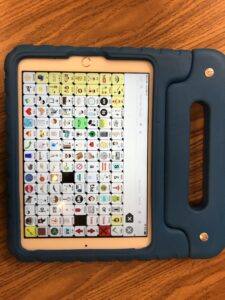 speech-generating devices can dramatically improve participation in daily life, school, and social interactions. Research confirms that children with both speech motor impairment and language impairment benefit most from early AAC introduction (Allison et al., 2024)
 - Feeding and swallowing (dysphagia): Feeding difficulties are extremely common in CP, particularly in children with significant motor involvement. SLP assesses and manages dysphagia to reduce aspiration risk, improve nutritional intake, and make mealtimes safer and more enjoyable (Allison et al., 2024)
- Saliva management: Drooling (anterior saliva loss) affects a significant proportion of children with CP and has social, hygienic, and quality-of-life implications. SLP works alongside medicine and OT on saliva management strategies (Novak et al., 2025)
For Patients & Families
- If your child is difficult to understand or cannot speak, they still have things to communicate. AAC systems — including simple picture boards or high-tech speech devices — can give your child a voice and dramatically improve their quality of life (Allison et al., 2024)
- Using AAC does not prevent a child from developing speech — the research consistently shows that AAC supports, rather than replaces, speech development (Allison et al., 2024)
- Feeding difficulties in CP are not just about nutrition. Coughing, gagging, a wet voice after meals, or taking a very long time to eat are warning signs of dysphagia that should be evaluated by an SLP promptly (Allison et al., 2024)
- Speech therapy for CP uses principles of motor learning — this means practice must be frequent and intensive to be effective. Ask your SLP how to practice speech targets at home between sessions (Korkalainen et al., 2023)
For Clinicians
- A 2023 systematic review of motor speech interventions confirmed that adherence to principles of motor learning improves speech intelligibility in children with CP. Intensity of practice and feedback specificity are among the most critical variables (Korkalainen et al., 2023).
- Children with CP who have both speech motor impairment and language impairment — and those who are nonspeaking communicators — should be prioritized for early AAC assessment. Waiting until a child has “failed” at speech before introducing AAC is not evidence-based and delays communication development (Allison et al., 2024).
- Dysphagia in CP is underdiagnosed. Routine clinical swallowing evaluation should be part of the assessment of any child with significant motor involvement in CP, even in the absence of obvious coughing or choking. Silent aspiration is common in this population (Allison et al., 2024).
8. CP Across the Lifespan
CP is a lifelong condition. While the brain injury is non-progressive, the physical and functional consequences of CP evolve substantially across the lifespan and require ongoing rehabilitation and medical management at each stage (Novak et al., 2025).
Early childhood (birth to 5 years): This is the period of greatest neuroplasticity and the highest return on therapeutic investment. Early identification and intensive early intervention in OT, PT, and SLP during this window consistently produce the best long-term outcomes. Family-centered, home-based programs that maximize practice opportunities throughout the day are particularly effective (Novak et al., 2025).
School age (5 to 18 years): The focus shifts to participation — school inclusion, academic performance, social participation, and sports and recreation. OT, PT, and SLP support are embedded in the educational environment through Individual Education Plans (IEPs) and school-based therapy. Orthopedic monitoring for hip displacement and scoliosis is essential during growth (Novak et al., 2025).
Adolescence and transition to adulthood: Transition from pediatric to adult healthcare is a high-risk period for individuals with CP. Many adults with CP experience a decline in functional abilities, increased pain, and reduced access to therapy services. Vocational planning, driving assessment, independent living skills, and mental health support are critical components of transition-age care (Novak et al., 2025).
Adulthood: Adults with CP face unique health challenges including premature musculoskeletal aging, increased pain, fatigue, loss of ambulation in some individuals, and significantly higher rates of anxiety and depression compared to the general population. Ongoing access to OT, PT, and SLP throughout adulthood — not only during childhood — is essential for maintaining function and quality of life (Novak et al., 2025).
For Clinicians
- The transition from pediatric to adult services is one of the highest-risk periods in CP care. Proactive transition planning should begin at age 14 and involve the individual with CP, their family, and both pediatric and adult providers (Novak et al., 2025).
- Adults with CP are frequently invisible in adult healthcare settings — their CP-related needs are often misunderstood or inadequately addressed by clinicians trained primarily for acquired neurological conditions. Education of adult healthcare providers about CP is an identified priority (Novak et al., 2025).
- Caregiver burden among family caregivers of individuals with CP is significant and persists across the lifespan. A 2023 systematic review identified caregiver mental health, social support, and the child’s functional severity as key predictors of burden — routine caregiver burden screening and referral to support services are warranted at every clinical contact (Mimouni-Bloch et al., 2023).
9. What Families Can Do
Family involvement is one of the strongest predictors of outcome in CP rehabilitation. Parents and caregivers who understand CP, advocate effectively for their child, and implement therapy strategies at home are the most important members of the rehabilitation team (Fernandez-Cardenas et al., 2025; Novak et al., 2025).
- Seek early diagnosis and early intervention. If you have any concern about your infant’s movement, tone, or development, speak with your pediatrician immediately. Earlier diagnosis enables earlier therapy during the highest-neuroplasticity window (Novak et al., 2025).
- Participate actively in therapy. Attend sessions, learn the strategies your therapists use, and practice them during daily routines. The gains from therapy are multiplied when practice happens throughout the day, not only during formal sessions (Fernandez-Cardenas et al., 2025).
- Advocate at school. Your child may qualify for an Individualized Education Program (IEP) that includes school-based OT, PT, and SLP. Request a school evaluation and ensure your child has the accommodations and supports they need to participate fully (Dimakopoulos et al., 2024).
- Address pain. Pain is common in CP and often not reported by children who cannot communicate it verbally. Watch for behavioral changes, sleep disturbances, and reluctance to move as potential signs of pain, and raise these with the medical team promptly (Novak et al., 2025).
- Seek support for yourself. Caregiver burden among families of children with CP is real, significant, and associated with adverse health outcomes for caregivers themselves. Accessing caregiver support — including respite, mental health services, and peer support — is not a luxury but a necessity (Mimouni-Bloch et al., 2023).
- Connect with CP organizations. Cerebral Palsy Alliance (cerebralpalsy.org.au) and United Cerebral Palsy (ucp.org) provide family resources, research updates, and community connections.
When to Request a Therapy Referral
- At or shortly after a CP diagnosis — OT, PT, and SLP should all be involved from the time of diagnosis (Novak et al., 2025)
- When a child is not meeting motor milestones appropriate for their age and CP type (Gonzalez et al., 2023)
- When communication is difficult — unclear speech, limited vocabulary, or no speech at any age warrants SLP evaluation and consideration of AAC (Korkalainen et al., 2023)
- When feeding difficulties are present — coughing, gagging, prolonged mealtimes, or poor weight gain warrant urgent SLP evaluation (Allison et al., 2024)
- When daily living tasks such as dressing, bathing, and eating are becoming more difficult or taking a disproportionate amount of time (Fernandez-Cardenas et al., 2025)
- At every major developmental transition — starting school, entering adolescence, transitioning to adult services (Novak et al., 2025)
- When pain, fatigue, or functional decline is reported in adults with CP — these are treatable and should not be accepted as inevitable (Novak et al., 2025)
10. A Note for Clinicians
CP is a complex, heterogeneous condition that requires individualized, evidence-based, and family-centered care. The evidence base for rehabilitation in CP has grown substantially in recent years, and the 2025 Lancet Seminar by Novak et al. provides the most comprehensive and current synthesis of the state of evidence available (Novak et al., 2025).
Early diagnosis — now achievable as early as 3 months using the General Movements Assessment and other standardized tools — should trigger immediate multidisciplinary referral. The neuroplasticity argument for early intensive intervention is strong and well-supported by evidence (Novak et al., 2025).
Participation outcomes must be central to rehabilitation planning. A 2024 systematic review and meta-analysis examining therapeutic interventions and participation in children with CP found that multidisciplinary approaches combining motor, cognitive, and environmental strategies produced the strongest participation effects (Dimakopoulos et al., 2024). Impairment-level outcomes alone are insufficient measures of rehabilitation success in CP.
Caregiver burden is a significant and clinically important issue. A 2023 systematic review identified the child’s functional severity, caregiver mental health, and availability of social support as the strongest predictors of burden among family caregivers of children with CP (Mimouni-Bloch et al., 2023). Routine screening for caregiver burden and referral to support services should be standard practice at every point of contact with CP families.
Adults with CP are frequently underserved in adult healthcare settings. Awareness of the unique health trajectory of aging with CP — including premature musculoskeletal aging, pain, fatigue, and mental health challenges — is essential for adult healthcare providers (Novak et al., 2025).
Related Pages on TherapyTopics
- Sensory Processing & Integration — Sensory differences affecting daily function, learning, and participation in children
- Autism Spectrum Disorder — OT, SLP, and behavioral intervention for communication and daily living skills
- Adaptive Feeding — Dysphagia management, adaptive equipment, and feeding intervention across diagnoses
- Augmentative & Alternative Communication (AAC) — Communication devices and strategies for individuals with limited or no verbal speech
- Fall Prevention — Balance assessment, home safety, and exercise programs relevant to individuals with motor impairments
- Traumatic Brain Injury — Acquired neurological injury rehabilitation sharing many CP intervention principles
11. References
- Allison, K. M., Millington, M., & Grimm, A. (2024). Relation of speech-language profile and communication modality to participation of children with cerebral palsy. American Journal of Speech-Language Pathology. https://doi.org/10.1044/2023_AJSLP-23-00267
- Dimakopoulos, M., et al. (2024). Effectiveness of therapeutic interventions on participation in children with cerebral palsy: A systematic review and meta-analysis. Child: Care, Health and Development, 50(4), e13301. https://doi.org/10.1111/cch.13301
- Fernandez-Cardenas, D., Sánchez-Gomez, C., Vásquez-Carrasco, E., Hernandez-Martinez, J., Pérez-Cárcamo, J., Sandoval, C., Valdés-Badilla, P., Carmine-Peña, E., Lorca, C., & Fernández-Rodríguez, E. (2025). Effectiveness of occupational therapy-based intervention on gross motor function and independence in activities of daily living in children with cerebral palsy: A systematic review with meta-analysis. Journal of Clinical Medicine, 14(21), 7624. https://doi.org/10.3390/jcm14217624
- Gonzalez, N. A., Sanivarapu, R. R., Osman, U., Latha Kumar, A., Sadagopan, A., Mahmoud, A., Begg, M., Tarhuni, M., Fotso, M. N., & Khan, S. (2023). Physical therapy interventions in children with cerebral palsy: A systematic review. Cureus, 15(8), e43846. https://doi.org/10.7759/cureus.43846
- Korkalainen, J., McCabe, P., Smidt, A., & Morgan, C. (2023). Motor speech interventions for children with cerebral palsy: A systematic review. Journal of Speech, Language, and Hearing Research, 66(1), 110–125. https://doi.org/10.1044/2022_JSLHR-22-00375
- Martínez-Rodríguez, L., García-Bravo, C., García-Bravo, S., Salcedo-Pérez-Juana, M., & Pérez-Corrales, J. (2025). New technological approaches in occupational therapy for pediatric cerebral palsy: A systematic review. Healthcare, 13(5), 459. https://doi.org/10.3390/healthcare13050459
- McIntyre, S., Goldsmith, S., Webb, A., Ehlinger, V., Hollung, S. J., McConnell, K., Arnaud, C., Smithers-Sheedy, H., Oskoui, M., Khandaker, G., Himmelmann, K., & Global CP Prevalence Group. (2022). Global prevalence of cerebral palsy: A systematic analysis. Developmental Medicine & Child Neurology, 64(12), 1494–1506. https://doi.org/10.1111/dmcn.15346
- Mimouni-Bloch, A., et al. (2023). Factors associated with caregiver burden among family caregivers of children with cerebral palsy: A systematic review. BMJ Open, 13(4), e065215. https://doi.org/10.1136/bmjopen-2022-065215
- Novak, I., Jackman, M., Finch-Edmondson, M., & Fahey, M. (2025). Cerebral palsy. The Lancet, 406(10499), 174–188. https://doi.org/10.1016/S0140-6736(25)00686-5
- Paul, S., Nahar, A., Bhagawati, M., & Kunwar, A. J. (2022). A review on recent advances of cerebral palsy. Oxidative Medicine and Cellular Longevity, 2022, 2622310. https://doi.org/10.1155/2022/2622310
© TherapyTopics.com — All information is for educational purposes only and does not constitute medical or therapeutic advice. Consult a licensed therapist or physician for evaluation and treatment.