

Key Takeaways
- Osteoarthritis (OA) is the most common form of arthritis and a leading cause of disability worldwide, affecting 528 million people globally in 2019 with projections of significant increase by 2050 (GBD 2021 OA Collaborators, 2023)
- OA is characterized by progressive deterioration of joint cartilage, bone, and surrounding soft tissues, leading to chronic pain, stiffness, and functional limitation — most commonly in the knee, hip, and hand (GBD 2021 OA Collaborators, 2023)
- Exercise is the most evidence-supported first-line treatment for OA at any joint. Structured exercise programs significantly reduce pain and improve function, regardless of radiographic severity (Mao et al., 2024; Mo et al., 2023)
- Occupational therapy plays a distinct and critical role in OA management through joint protection, adaptive equipment, splinting, activity modification, and energy conservation — particularly for hand and hip OA (Sheerin et al., 2024)
- Physical therapy addresses strengthening, flexibility, gait, balance, and functional mobility through individualized exercise programs that reduce pain and improve quality of life (Nayab & Elahi, 2024; Sasaki et al., 2022)
- Weight management is one of the most impactful modifiable interventions for lower limb OA — reducing joint load and slowing disease progression (GBD 2021 OA Collaborators, 2023)
- OA does not mean inevitable surgery — the majority of people with OA can achieve meaningful symptom improvement through conservative non-surgical rehabilitation (Lawford et al., 2024)
Important
The information on this page is educational only and is not a substitute for clinical evaluation or individualized therapy recommendations. OA requires assessment by a qualified healthcare provider to confirm diagnosis and rule out other joint conditions. Please consult your physician and rehabilitation team for guidance specific to your joints, function, and lifestyle.
Table of Contents
- What Is Osteoarthritis?
- Where Does OA Occur?
- Symptoms and Impact on Daily Life
- Risk Factors for OA
- Who Provides Treatment for OA?
- Occupational Therapy in OA
- Physical Therapy in OA
- Exercise for OA: What the Evidence Shows
- Self-Management Strategies
- What Patients and Families Can Do
- A Note for Clinicians
- References
1. What Is Osteoarthritis?
Osteoarthritis (OA) is the most common form of arthritis and one of the leading causes of chronic pain, disability, and reduced quality of life worldwide. It is a whole-joint disease characterized by progressive deterioration of articular cartilage, the protective tissue covering the ends of bones, along with changes in the underlying bone, joint lining, and surrounding soft tissues including muscles, tendons, and ligaments (GBD 2021 OA Collaborators, 2023).
In 2019, OA affected approximately 528 million people globally, and this number is projected to rise substantially by 2050 as populations age and obesity prevalence increases. OA is more common in women than men, and prevalence increases steeply with age, though OA is not exclusively a disease of old age and can occur in younger adults following joint injury (GBD 2021 OA Collaborators, 2023).
OA has long been described as simple “wear and tear,” but this description is incomplete. OA involves active biological processes, including low-grade inflammation, altered cartilage metabolism, and bone remodeling that contribute to joint deterioration. These processes are influenced by mechanical loading, metabolic factors, and genetics, making OA a multifactorial condition with both local and systemic drivers (GBD 2021 OA Collaborators, 2023; Lawford et al., 2024).
For Patients & Families
- OA is not simply the result of using your joints too much. Genetics, body weight, previous injury, muscle strength, and joint alignment all contribute, OA is not your fault (GBD 2021 OA Collaborators, 2023)
- X-ray findings and symptom severity do not always match. Many people with significant OA on imaging have little pain, while others with mild imaging findings experience significant disability. Your experience of OA is what matters clinically (Lawford et al., 2024)
- OA pain can fluctuate significantly from day to day. A bad day is not a sign of permanent worsening, it is a normal feature of the disease (Lawford et al., 2024)
- The majority of people with OA do not need joint replacement surgery. Conservative rehabilitation — exercise, OT, PT, and self-management, can produce meaningful and lasting symptom improvement in most cases (Mao et al., 2024)
2. Where Does OA Occur?
OA can affect any synovial joint in the body, but it most commonly affects the knee, hip, hand, and spine (GBD 2021 OA Collaborators, 2023).
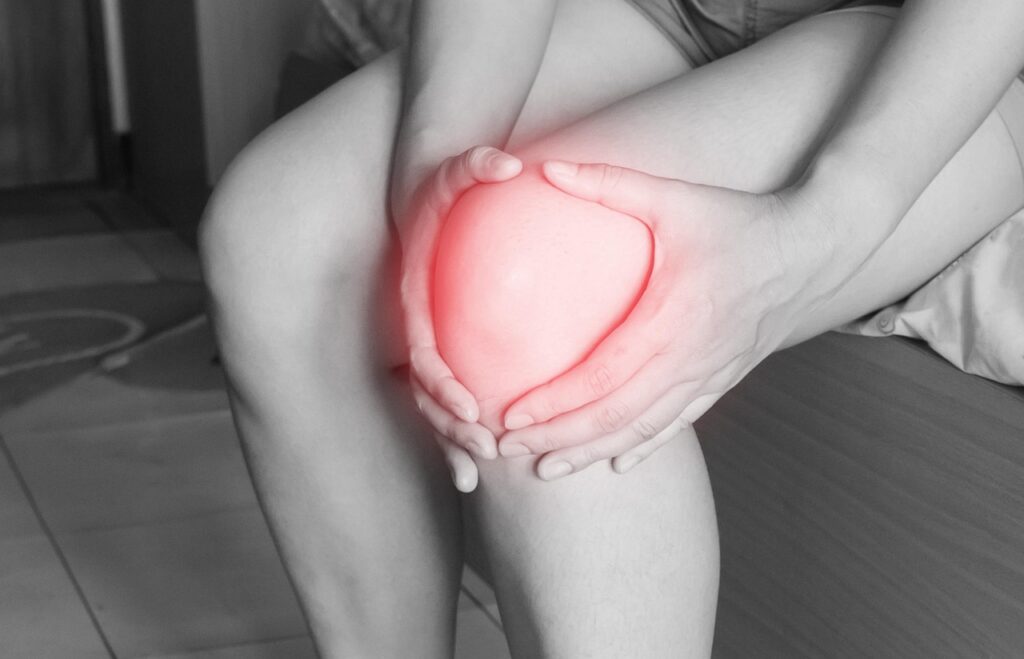
- Knee OA: The most prevalent form globally. Causes pain, stiffness, and swelling of the knee, particularly with weight-bearing activities including walking, stair climbing, and rising from a chair. Knee OA is the leading joint-specific cause of disability in adults over 50 (GBD 2021 OA Collaborators, 2023)
- Hip OA: Causes groin, thigh, or buttock pain and significantly affects walking, getting in and out of chairs and vehicles, and putting on shoes and socks. Hip OA may progress to significant mobility limitation requiring assistive devices (GBD 2021 OA Collaborators, 2023)
- Hand OA: Affects the finger joints (particularly the distal and proximal interphalangeal joints) and the base of the thumb (carpometacarpal joint). Hand OA causes pain, stiffness, bony enlargement, and reduced grip strength that significantly affects fine motor tasks, including writing, cooking, dressing, and using a keyboard (Sheerin et al., 2024)
- Spinal OA: Affects the facet joints of the spine, contributing to neck and back stiffness and pain. Often coexists with disc degeneration and spinal stenosis (GBD 2021 OA Collaborators, 2023)
OA Is the Most Common Musculoskeletal Condition Worldwide
The Global Burden of Disease Study 2021 estimated that OA accounted for more than 528 million prevalent cases globally in 2019, with knee OA representing the largest proportion. By 2050, global OA prevalence is projected to rise substantially, driven by aging populations, increasing obesity rates, and rising rates of joint injury — making OA one of the most important public health challenges of the coming decades (GBD 2021 OA Collaborators, 2023).
3. Symptoms and Impact on Daily Life
OA symptoms develop gradually and worsen over time, though the rate of progression varies widely between individuals. The primary symptoms are pain, stiffness, and reduced joint function (Lawford et al., 2024; GBD 2021 OA Collaborators, 2023).
Core symptoms:
- Pain: Typically described as a deep, aching discomfort that worsens with activity and improves with rest, especially in early OA. In more advanced OA, rest pain and nighttime pain become more common (Lawford et al., 2024)
- Stiffness: Morning stiffness lasting up to 30 minutes is characteristic of OA. Stiffness also occurs after periods of rest or inactivity (Lawford et al., 2024)
- Reduced range of motion: Tightening of the joint capsule and loss of cartilage reduce the available movement of affected joints (GBD 2021 OA Collaborators, 2023)
- Crepitus: A grinding, clicking, or cracking sensation in the joint during movement (GBD 2021 OA Collaborators, 2023)
- Joint enlargement and deformity: Bony spurs (osteophytes) and joint swelling create visible enlargement, particularly noticeable in hand OA (Sheerin et al., 2024)
Impact on daily activities:
- Knee and hip OA significantly limit walking distance, stair climbing, rising from low surfaces, and lower body dressing (Mao et al., 2024)
- Hand OA limits grip strength, pinch, fine motor tasks including writing and using kitchen implements, fastening buttons, and opening jars (Sheerin et al., 2024)
- OA pain and restricted mobility significantly affect sleep quality, mood, social participation, employment, and overall quality of life (Nayab & Elahi, 2024)
- Fear of pain and movement avoidance can lead to a cycle of deconditioning, muscle weakness, and increased pain that accelerates functional decline (Lawford et al., 2024)
For Patients & Families
- OA pain during activity does not mean you are causing further damage. Gentle, consistent movement is one of the best things you can do for your joints — the evidence strongly supports staying active (Mao et al., 2024)
- The vicious cycle of pain leading to inactivity leading to muscle weakness leading to more pain is real but reversible. PT and OT can help you break this cycle (Lawford et al., 2024)
- If OA is affecting your ability to cook, dress, write, or do household tasks, OT can provide practical strategies and adaptive equipment that allow you to keep doing what matters most (Sheerin et al., 2024)
- OA affects sleep, mood, and mental health. If you are struggling emotionally, tell your care team — psychological support is a legitimate part of OA management (Nayab & Elahi, 2024)
4. Risk Factors for OA
OA results from a combination of factors that increase joint vulnerability and accelerate cartilage deterioration (GBD 2021 OA Collaborators, 2023; Lawford et al., 2024).
Non-modifiable risk factors:
- Older age — OA prevalence increases steeply after age 40 and is nearly universal in adults over 75 (GBD 2021 OA Collaborators, 2023)
- Female sex — women have higher rates of OA at most joints, particularly hand and knee OA, especially after menopause (GBD 2021 OA Collaborators, 2023)
- Genetic predisposition — family history of OA is a significant risk factor, particularly for hand and hip OA (GBD 2021 OA Collaborators, 2023)
- Joint anatomy — structural features including joint malalignment, hip dysplasia, and leg length discrepancy increase joint loading and OA risk (Lawford et al., 2024)
Modifiable risk factors:
- High body weight — excess body weight is among the strongest modifiable risk factors for knee and hip OA, increasing joint load and promoting inflammatory metabolic pathways. Even modest weight reduction produces meaningful pain and functional improvement (GBD 2021 OA Collaborators, 2023)
- Previous joint injury — sports injuries, ligament tears, fractures involving the joint surface, and meniscal damage significantly increase OA risk at the affected joint (Lawford et al., 2024)
- Physically demanding occupations — repetitive squatting, kneeling, climbing, and heavy lifting increase knee OA risk; repetitive hand tasks increase hand OA risk (GBD 2021 OA Collaborators, 2023)
- Muscle weakness — reduced quadriceps strength is associated with both the development and progression of knee OA (Mao et al., 2024)
- Physical inactivity — sedentary behavior weakens the muscles that support and protect joints, accelerating functional decline in OA (Sasaki et al., 2022)
5. Who Provides Treatment for OA?
OA management is most effective when it combines self-management with professional rehabilitation support. A multidisciplinary approach addressing pain, function, movement, and daily activities produces the best outcomes (Lawford et al., 2024; Nayab & Elahi, 2024).
- Occupational therapy (OT): Joint protection, adaptive equipment, splinting, hand therapy, activity modification, energy conservation, home modification, and daily living independence (Sheerin et al., 2024)
- Physical therapy (PT): Exercise prescription, strengthening, gait training, manual therapy, balance, fall prevention, and functional mobility (Mao et al., 2024; Mo et al., 2023)
- Primary care physician: Diagnosis, pain medication management, imaging decisions, and referral coordination
- Rheumatologist: Medical management of inflammatory and degenerative arthritis, including disease-modifying agents and intra-articular injections where indicated (Lawford et al., 2024)
- Orthopedic surgeon: Assessment for surgical intervention — including joint replacement — when conservative management has been adequately trialled and symptoms remain severe (Lawford et al., 2024)
- Dietitian: Weight management counseling, anti-inflammatory dietary approaches, and nutritional support for optimal joint health (GBD 2021 OA Collaborators, 2023)
- Podiatrist: Footwear assessment, orthotics, and foot and ankle management that affects knee and hip loading
- Pain psychologist: Cognitive behavioral approaches to chronic pain, fear-avoidance, and pain catastrophizing that significantly affect OA outcomes (Lawford et al., 2024)
For Clinicians
- International OA guidelines (OARSI, EULAR, ACR) consistently recommend exercise and self-management education as first-line treatment for knee, hip, and hand OA. Pharmacological and surgical options should generally be reserved for cases where adequate conservative rehabilitation has not produced sufficient benefit (Lawford et al., 2024).
- Weight management is one of the most impactful interventions for lower limb OA. Even a 5% reduction in body weight is associated with meaningful reductions in knee pain and functional improvement. Proactive dietitian referral alongside PT and OT is warranted (GBD 2021 OA Collaborators, 2023).
- Pain catastrophizing and fear-avoidance beliefs are strong predictors of OA disability independent of disease severity. Psychological screening and cognitive behavioral pain management should be integrated into OA care for those with high catastrophizing scores (Lawford et al., 2024).
6. Occupational Therapy in OA
Occupational therapy addresses the impact of OA on the ability to carry out meaningful daily activities — from cooking and self-care to work, hobbies, and social participation. OT’s contribution to OA management is most prominent for hand OA, upper limb OA, and in helping people with any joint OA maintain independence in daily life as symptoms progress (Sheerin et al., 2024).
A 2024 systematic review and meta-analysis of OT interventions for adults with conditions of the hand, wrist, and forearm — including hand OA — found significant improvements in function and occupational performance from interventions including occupation-based therapy, adaptive device provision, education, orthosis (splint) provision, and exercise programs. Evidence quality ranged from low to moderate across conditions including arthritis (Sheerin et al., 2024).
Key areas of OT intervention in OA include (Sheerin et al., 2024; Lawford et al., 2024):
- Joint protection techniques: Teaching strategies that reduce pain and protect joints during daily activities — including how to hold, carry, and use objects in ways that minimize joint stress. Joint protection principles include distributing load across multiple joints, avoiding prolonged grip, using larger joint surfaces, and modifying technique rather than force (Sheerin et al., 2024)
- Hand orthoses (splints): OT assesses, fabricates, or prescribes hand and wrist splints for OA. For thumb base (carpometacarpal joint) OA, splints that support the joint during
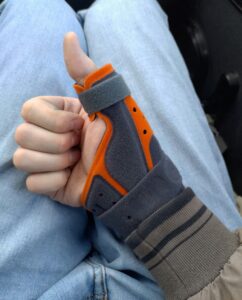 activities reduce pain and improve function. For finger OA, soft or rigid finger supports can stabilize painful joints (Sheerin et al., 2024)
 - Adaptive equipment: OT recommends tools and equipment that reduce joint stress during daily tasks. For hand OA this includes jar openers, ergonomic kitchen tools, pen grips, key turners, and lever-style door and tap handles. For hip and knee OA, this includes grab bars, toilet risers, shower chairs and bath equipment, sock and shoe aids, and long-handled tools that avoid bending (Sheerin et al., 2024)
- Activity modification: Analyzing how activities are performed and recommending modifications that reduce pain and joint stress without eliminating participation. This may include changing how often a task is done, breaking it into smaller segments, taking rest breaks, or using different techniques (Lawford et al., 2024)
- Energy conservation and pacing: Particularly important for people with widespread OA or OA combined with fatigue-producing conditions. OT teaches pacing strategies to balance activity and rest across the day (Sheerin et al., 2024)
- Home modification: Assessing and modifying the home environment to reduce pain triggers, improve safety, and support independence. This may include furniture height adjustment, installation of grab bars and rails, rearranging frequently used items, and assessing floor surfaces for fall risk (Lawford et al., 2024)
- Occupation-based exercise for hand OA: OT delivers structured hand exercises targeting finger range of motion, grip strength, and pinch strength for hand and thumb OA. Exercise-based rehabilitation for hand OA has a growing evidence base (Sheerin et al., 2024)
For Patients & Families
- A thumb splint from an OT can make a dramatic difference to pain and hand function in base of thumb (CMC joint) OA — and you do not need a prescription to access OT for this (Sheerin et al., 2024)
- Adaptive kitchen and household equipment is not a sign of giving up — it is a way of keeping you independent in the activities that matter most to you (Sheerin et al., 2024)
- Joint protection is a skill, not a restriction. Learning how to modify how you do things — rather than what you do — can allow you to continue most activities you enjoy with less pain (Sheerin et al., 2024)
- If knee or hip OA is making bathing, showering, or using the toilet difficult or unsafe, OT can assess and recommend equipment and techniques that restore safety and independence (Lawford et al., 2024)
For Clinicians
- A 2024 systematic review and meta-analysis of OT interventions for hand, wrist, and forearm conditions confirmed significant improvements in function and occupational performance from OT-delivered adaptive device provision, education, orthosis provision, and exercise in arthritis (Sheerin et al., 2024). OT referral should be standard for any patient with hand OA affecting daily function.
- Thumb CMC joint OA is common, often underdiagnosed, and highly responsive to OT-provided orthosis and joint protection education. A short course of OT can significantly reduce pain and improve function without pharmacological intervention (Sheerin et al., 2024).
- For patients with hip or knee OA who are struggling with ADLs including bathing, dressing, and transfers, OT home assessment and adaptive equipment provision reduces fall risk and supports independent function — and should be offered proactively (Lawford et al., 2024).
7. Physical Therapy in OA
Physical therapy is the cornerstone of conservative OA management, with exercise at its center. PT addresses the muscle weakness, deconditioning, gait impairment, and balance difficulties that develop alongside OA pain and inactivity — and reverses the functional decline cycle that significantly worsens OA outcomes (Mao et al., 2024; Mo et al., 2023).
A 2024 systematic review and meta-analysis of home-based exercise for knee and hip OA, incorporating 16 RCTs and 3,015 participants, confirmed that exercise significantly reduces pain and improves joint function, stiffness, ADL performance, and balance compared to control conditions (Mao et al., 2024). A 2024 systematic review and meta-analysis of exercise interventions for OA confirmed significant improvements in pain, function, and quality of life across aerobic training, resistance training, and multimodal exercise programs (Nayab & Elahi, 2024).
Key areas of PT intervention in OA include (Mao et al., 2024; Mo et al., 2023; Nayab & Elahi, 2024):
- Strengthening exercise: Strengthening the muscles surrounding an arthritic joint — particularly the quadriceps for knee OA and the hip abductors and extensors for hip OA — reduces joint stress and pain. Resistance training is among the most consistently effective PT interventions for OA (Nayab & Elahi, 2024)
- Aerobic exercise: Low-impact aerobic activities including walking, cycling, and swimming reduce pain, improve function, and promote weight management in OA without excessive joint loading (Sasaki et al., 2022)
- Aquatic exercise (hydrotherapy): The buoyancy of water reduces joint load and allows
 exercise with less pain — particularly beneficial for severe OA or individuals who cannot exercise comfortably on land. Aquatic exercise improves pain, function, and quality of life in knee and hip OA (Sasaki et al., 2022)
 - Flexibility and range of motion exercises: Maintaining joint flexibility reduces stiffness, improves mobility, and preserves functional range of motion for daily activities (Mao et al., 2024)
- Manual therapy: Joint mobilization and soft tissue techniques provided by PT can reduce pain and improve mobility in selected patients with knee, hip, and hand OA, particularly as an adjunct to exercise (Mo et al., 2023)
- Gait training and walking aid prescription: PT assesses gait, prescribes canes or walking frames when appropriate, and provides gait training to reduce pain and improve walking efficiency in lower limb OA (Mao et al., 2024)
- Balance and fall prevention: OA is associated with significantly elevated fall risk due to pain, muscle weakness, and proprioceptive impairment. PT-directed balance training reduces fall rates and improves walking confidence (Mao et al., 2024)
- Taping and bracing: Patellar taping and knee bracing are evidence-supported adjuncts to exercise in knee OA, reducing pain and improving function during activity (Mo et al., 2023)
For Patients & Families
- Exercise reduces OA pain — it does not accelerate joint damage. The concern that exercise worsens OA is not supported by research (Mao et al., 2024)
- Water-based exercise is an excellent option if land-based exercise is too painful. The buoyancy of water makes movement much easier and less painful while still producing significant strength and function benefits (Sasaki et al., 2022)
- A cane, used correctly in the opposite hand, can significantly reduce pain and improve your walking confidence with knee or hip OA — ask your PT to advise on correct height and technique
- Consistent home exercise between PT sessions is the most important factor in treatment success. Even short daily sessions of 10 to 15 minutes produce better results than occasional gym workouts (Mao et al., 2024)
For Clinicians
- A 2024 systematic review and meta-analysis of home-based exercise for knee and hip OA (16 RCTs, 3,015 participants) confirmed significant improvements in pain, function, stiffness, ADLs, and balance. Home-based exercise is a cost-effective, accessible, and evidence-supported approach that should be recommended alongside supervised PT (Mao et al., 2024).
- A 2023 network meta-analysis of exercise therapy for knee OA identified aerobic exercise as most effective for pain relief and yoga as most effective for stiffness and quality of life (Mo et al., 2023). Exercise type should be matched to the patient’s primary outcomes and adherence preferences.
- A 2024 systematic review of exercise interventions for OA confirmed significant improvements in pain, function, and quality of life from aerobic training, resistance training, and multimodal programs (Nayab & Elahi, 2024). Exercise should be prescribed as first-line treatment, not an adjunct to pharmacotherapy.
8. Exercise for OA: What the Evidence Shows
Exercise is the single most evidence-supported intervention for OA across all affected joints. Multiple high-quality systematic reviews and meta-analyses confirm that structured exercise programs reduce pain, improve function, enhance quality of life, and slow functional decline in OA, without accelerating joint damage or worsening disease progression (Mao et al., 2024; Nayab & Elahi, 2024; Sasaki et al., 2022).
A 2022 systematic review and meta-analysis of exercise and educational interventions for hip and knee OA found that combined exercise and education programs produced the strongest effects on both pain reduction and improvements in physical activity compared to either approach alone (Sasaki et al., 2022). A 2023 network meta-analysis of exercise therapy for knee OA found that aerobic exercise produced the greatest effect on pain relief, and yoga the greatest effect on joint stiffness, limited knee function, and quality of life (Mo et al., 2023).
Evidence-supported exercise approaches for OA (Mao et al., 2024; Mo et al., 2023; Nayab & Elahi, 2024; Sasaki et al., 2022):
- Resistance training: Strengthening exercises targeting the muscles around arthritic joints, particularly the quadriceps, hip abductors, and calf muscles for lower limb OA. Resistance training is one of the most consistently effective approaches for pain reduction and functional improvement (Nayab & Elahi, 2024)
- Aerobic exercise: Walking, cycling, swimming, and other low-impact aerobic activities reduce pain and improve cardiovascular fitness, function, and mood. Aerobic exercise has the strongest evidence for pain relief in knee OA (Mo et al., 2023)
- Yoga: Combines gentle joint mobility, strengthening, and mindfulness. Most effective for reducing stiffness, improving overall joint function, and improving quality of life in knee OA (Mo et al., 2023)
- Tai chi: A low-impact mind-body practice combining slow controlled movements, balance, and breath. Well-evidenced for reducing pain and improving balance and function in knee and hip OA (Sasaki et al., 2022)
- Aquatic exercise: Exercise in warm water reduces joint load and enables movement that may be impossible or too painful on land. Produces significant improvements in pain, function, and quality of life (Sasaki et al., 2022)
- Home-based exercise: Supervised home exercise programs are as effective as clinic-based programs for knee and hip OA and significantly increase access and adherence. A 2024 meta-analysis confirmed significant improvements in pain, function, stiffness, and ADLs from home-based programs (Mao et al., 2024)
For Clinicians
- All major OA clinical guidelines (OARSI, EULAR, ACR) recommend exercise as a core, first-line intervention for knee, hip, and hand OA regardless of radiographic severity or age. Exercise should be prescribed, not just recommended (Lawford et al., 2024).
- Home-based exercise programs are as effective as supervised programs for knee and hip OA. For patients with access barriers to clinic-based PT, a structured, supervised home exercise program with a written exercise sheet and one follow-up contact produces significant benefits (Mao et al., 2024).
- Patient adherence is the strongest predictor of exercise outcomes in OA. Exercise prescription should prioritize exercises the patient will actually do — preferences, enjoyment, and habit-building strategies are clinically important (Lawford et al., 2024).
9. Self-Management Strategies
Self-management is a critical component of long-term OA management. People who develop effective self-management skills — including exercise habits, pacing, joint protection, and pain coping strategies — have better pain, function, and quality-of-life outcomes than those who rely solely on clinical treatment (Lawford et al., 2024; Sasaki et al., 2022).
Evidence-supported self-management strategies (Lawford et al., 2024; Mao et al., 2024; GBD 2021 OA Collaborators, 2023):
- Exercise daily. Even 10 to 15 minutes of low-impact exercise daily produces meaningful pain and function benefits over time. Consistency is more important than intensity (Mao et al., 2024)
- Manage your weight. Every kilogram of body weight translates to several kilograms of force across the knee during walking. Even modest weight reduction of 5 to 10% significantly reduces knee pain and joint loading (GBD 2021 OA Collaborators, 2023)
- Apply heat or cold. Heat relaxes muscles and reduces stiffness — particularly useful before activity. Cold reduces post-activity swelling and pain. Both are safe and useful for symptom management (Lawford et al., 2024)
- Pace your activities. Break tasks into manageable segments with rest breaks. Alternate between high-demand and low-demand activities throughout the day. Pacing prevents the boom-and-bust cycle of overactivity followed by pain flares (Sheerin et al., 2024)
- Use supportive footwear. Supportive, cushioned footwear reduces impact loading and joint pain during walking for people with lower limb OA (Lawford et al., 2024)
- Consider walking aids. A correctly fitted cane significantly reduces pain and improves walking confidence in knee and hip OA. A cane is a tool, not a sign of giving up (Mao et al., 2024)
- Stay socially and mentally engaged. Social participation and positive mental health are protective factors for OA outcomes. Isolation and depression worsen pain perception and functional decline (Nayab & Elahi, 2024)
10. What Patients and Families Can Do
OA is a long-term condition that requires active participation in self-management alongside professional rehabilitation support. Family involvement and social support significantly improve outcomes and quality of life for people with OA (Lawford et al., 2024).
- Ask for PT and OT referrals early — do not wait until symptoms are severe. Early intervention builds the habits and skills that prevent functional decline and reduce the risk of needing joint replacement surgery (Lawford et al., 2024).
- Exercise consistently. Regular, moderate exercise is the most powerful tool available for OA. Even three to four times per week produces significant pain and function benefits over time (Mao et al., 2024).
- Invest in a home exercise program. Home exercise produces results equivalent to clinic exercise for knee and hip OA. Your PT will teach you the exercises — the consistency is up to you (Mao et al., 2024).
- Use adaptive equipment without embarrassment. Jar openers, toilet risers, grab bars, and bath equipment allow you to stay independent and safe. Ask your OT to assess your needs (Sheerin et al., 2024).
- Manage weight where possible. Even small reductions in body weight produce meaningful reductions in knee and hip joint load and pain (GBD 2021 OA Collaborators, 2023).
- Address mental health. Pain and disability from OA have significant psychological effects. Depression and anxiety worsen pain and functional outcomes — and both respond to treatment (Lawford et al., 2024).
When to Request OT or PT Referral
- At or shortly after OA diagnosis — early intervention is more effective than waiting until significant disability develops (Lawford et al., 2024)
- When joint pain is limiting walking, climbing stairs, or daily activities — PT for exercise prescription and gait training (Mao et al., 2024)
- When hand or wrist OA limits grip, pinch, fine motor tasks, or work activities — OT for hand therapy, splinting, and adaptive equipment (Sheerin et al., 2024)
- When bathing, dressing, or using the toilet is becoming difficult or unsafe — OT for home assessment and adaptive equipment (Lawford et al., 2024)
- When balance problems or falls occur alongside OA — PT for balance training and fall prevention (Mao et al., 2024)
- When OA pain is significantly limiting sleep, mood, or social participation — comprehensive rehabilitation referral including psychology if appropriate (Nayab & Elahi, 2024)
- Before and after joint replacement surgery — pre-surgical OT and PT optimize outcomes; post-surgical rehabilitation is essential for restoring function (Lawford et al., 2024)
- When current exercise or activity causes significant pain — PT to assess movement quality and prescribe an appropriate individualized program (Nayab & Elahi, 2024)
11. A Note for Clinicians
OA is a high-prevalence, high-impact condition and one of the most important drivers of disability, healthcare utilization, and quality-of-life loss in aging populations worldwide. The evidence base for conservative rehabilitation in OA is robust: exercise, OT, PT, education, and self-management programs are consistently recommended as first-line treatment by all major international guidelines (Lawford et al., 2024; GBD 2021 OA Collaborators, 2023).
Despite this evidence, exercise and rehabilitation are systematically underutilized in OA management. Patients are often offered pharmacotherapy and surgery discussions before adequate conservative rehabilitation has been trialled. Multiple systematic reviews confirm that exercise produces clinically meaningful pain and function improvements in knee, hip, and hand OA regardless of radiographic severity — and home-based exercise programs are as effective as supervised programs for adherent patients (Mao et al., 2024; Nayab & Elahi, 2024).
OT is particularly underreferenced in OA, despite clear evidence for its role in hand therapy, orthosis provision, adaptive equipment, and joint protection education in hand and upper limb OA. A 2024 systematic review confirmed significant OT treatment effects on function and occupational performance in adults with hand, wrist, and forearm conditions including arthritis (Sheerin et al., 2024). OT referral should be standard for any patient with hand OA affecting daily function or work performance.
Psychosocial factors — including pain catastrophizing, depression, and fear-avoidance — are strong predictors of OA disability independent of radiographic or clinical severity. Routine psychological screening and pain education as part of OA management significantly improve patient outcomes and reduce unnecessary healthcare utilization (Lawford et al., 2024).
Related Pages on TherapyTopics
- Fall Prevention — Balance assessment, home safety, and exercise programs for individuals with mobility and balance concerns
- Bathing & Shower Safety — Adaptive equipment and OT strategies for safe ADL performance with joint pain and mobility limitations
- Back Pain — PT and OT management of the most common co-occurring musculoskeletal condition in OA
- Parkinson’s Disease — Another condition affecting older adults where OT and PT address daily function, balance, and mobility
- Stroke Recovery — Rehabilitation for acquired neurological conditions where OT and adaptive equipment overlap with OA management
12. References
- GBD 2021 Osteoarthritis Collaborators. (2023). Global, regional, and national burden of osteoarthritis, 1990–2020 and projections to 2050: A systematic analysis for the Global Burden of Disease Study 2021. The Lancet Rheumatology, 5(9), e508–e522. https://doi.org/10.1016/S2665-9913(23)00163-7
- Lawford, B. J., Bennell, K. L., Haber, T., Hall, M., Hinman, R. S., Recenti, F., & Dell’Isola, A. (2024). Osteoarthritis year in review 2024: Rehabilitation and outcomes. Osteoarthritis and Cartilage, 32(11), 1405–1412. https://doi.org/10.1016/j.joca.2024.08.001
- Mao, Y., Qiu, B., Wang, W., Zhou, P., & Ou, Z. (2024). Efficacy of home-based exercise in the treatment of pain and disability at the hip and knee in patients with osteoarthritis: A systematic review and meta-analysis. BMC Musculoskeletal Disorders, 25, 499. https://doi.org/10.1186/s12891-024-07585-w
- Mo, L., Jiang, B., Mei, T., & Zhou, D. (2023). Exercise therapy for knee osteoarthritis: A systematic review and network meta-analysis. Orthopaedic Journal of Sports Medicine, 11(5), 23259671231172773. https://doi.org/10.1177/23259671231172773
- Nayab, S., & Elahi, M. B. (2024). The impact of exercise interventions on pain, function, and quality of life in patients with osteoarthritis: A systematic review and meta-analysis. Cureus. https://doi.org/10.7759/cureus.74464
- Sasaki, R., Honda, Y., Oga, S., Fukushima, T., Tanaka, N., Kajiwara, Y., Nakagawa, K., Takahashi, A., Sakamoto, Y., Morita, H., Kondo, Y., Okita, S., Kondo, Y., Goto, K., Kataoka, H., Sakamoto, J., & Okita, M. (2022). Effect of exercise and/or educational interventions on physical activity and pain in patients with hip/knee osteoarthritis: A systematic review with meta-analysis. PLoS ONE, 17(11), e0275591. https://doi.org/10.1371/journal.pone.0275591
- Sheerin, C., Scanlon, D., Ryan, J., Galvin, R., & Robinson, K. (2024). Effectiveness of occupational therapy interventions on function and occupational performance among adults with conditions of the hand, wrist, and forearm: A systematic review and meta-analysis. Australian Occupational Therapy Journal, 71(1), 175–189. https://doi.org/10.1111/1440-1630.12905
© TherapyTopics.com — All information is for educational purposes only and does not constitute medical or therapeutic advice. Consult a licensed therapist or physician for evaluation and treatment.