


Key Takeaways
- Cancer and its treatments — including surgery, chemotherapy, and radiation — cause a wide range of physical, cognitive, and functional impairments that significantly affect daily activities, work, and quality of life (Sung et al., 2021; Sleight et al., 2022)
- More than half of cancer survivors report challenges with instrumental activities of daily living, and 64% of older adult cancer survivors report functional limitations — making rehabilitation essential, not optional (Sleight et al., 2022)
- Occupational therapy reduces 30-day hospital readmission by 33.5% in cancer patients in acute care, and addresses fatigue, ADLs, cognitive changes, lymphedema, and return to work (McNichols et al., 2024)
- Exercise is one of the most evidence-supported interventions for cancer rehabilitation — improving cardiorespiratory fitness, functional capacity, fatigue, and quality of life across cancer types (Beyer et al., 2024)
- Telehealth-delivered exercise rehabilitation is effective for cancer survivors and significantly expands access to rehabilitation for those who cannot attend in person (Batalik et al., 2024)
- Speech-language pathology plays a critical role in head and neck cancer — addressing dysphagia, dysphonia, and communication difficulties that severely affect quality of life and nutrition (Vester et al., 2023; Weiss et al., 2025)
- Cancer-related cognitive impairment (CRCI), sometimes called “chemo brain,” affects up to 75% of people receiving chemotherapy and significantly impacts daily functioning and occupational performance — OT and SLP both address these changes (Cáceres et al., 2025)
Important
The information on this page is educational only and is not a substitute for individualized oncology or rehabilitation care. Cancer rehabilitation needs vary enormously by cancer type, treatment, stage, and individual circumstances. Please consult your oncologist and rehabilitation team for guidance specific to your diagnosis and treatment plan.
Table of Contents
- What Is Cancer Rehabilitation?
- Who Needs Cancer Rehabilitation?
- How Cancer and Treatment Affect Function
- Who Provides Cancer Rehabilitation?
- Occupational Therapy in Cancer Rehabilitation
- Physical Therapy in Cancer Rehabilitation
- Speech-Language Pathology in Cancer Rehabilitation
- Exercise and Cancer: What the Evidence Shows
- Telehealth Cancer Rehabilitation
- What Patients and Families Can Do
- A Note for Clinicians
- References
1. What Is Cancer Rehabilitation?
Cancer rehabilitation is a specialized area of rehabilitation medicine and therapy that addresses the physical, cognitive, communicative, and functional impairments caused by cancer and its treatments. It aims to restore, maintain, or optimize function, independence, and quality of life across the entire cancer care continuum — from diagnosis through treatment, survivorship, and end-of-life care (Sleight et al., 2022).
Cancer rehabilitation is not a single intervention, it is a coordinated, multidisciplinary effort involving occupational therapy (OT), physical therapy (PT), speech-language pathology (SLP), psychology, social work, and medicine. Each discipline addresses different aspects of the functional impact of cancer, and together they address the full breadth of impairments that affect a person’s ability to live, work, and participate in the activities that matter most to them (Sleight et al., 2022).
The need for cancer rehabilitation is enormous and growing. In 2020, there were approximately 19.3 million new cancer cases worldwide, and the number of cancer survivors continues to increase as treatments improve and survival rates rise (Sung et al., 2021). In the United States alone, there are more than 18 million cancer survivors. More than half of these survivors report challenges with instrumental activities of daily living (IADLs), and 64% of older adult cancer survivors report functional limitations, making rehabilitation essential to survivorship (Sleight et al., 2022).
For Patients & Families
- Cancer rehabilitation is not just for people with late-stage cancer or severe disability — it benefits people at every stage of treatment and survivorship (Sleight et al., 2022)
- Rehabilitation referral does not mean giving up on treatment — it means optimizing your function and quality of life while you undergo treatment and as you recover
- You do not need to wait until treatment ends to start rehabilitation. Early intervention during treatment often produces the best outcomes (Beyer et al., 2024)
- Many of the functional problems caused by cancer and treatment — fatigue, weakness, memory difficulties, swallowing problems — are treatable with rehabilitation. You do not have to accept them as inevitable (Sleight et al., 2022)
2. Who Needs Cancer Rehabilitation?
Cancer rehabilitation is relevant across a broad range of cancer types, treatment approaches, and stages of care. Any person experiencing functional impairment related to cancer or its treatment is a candidate for rehabilitation (Sleight et al., 2022).
Cancer types where rehabilitation is particularly important include:
- Breast cancer: Upper limb lymphedema, fatigue, cognitive changes from chemotherapy, shoulder dysfunction, return-to-work challenges, and psychosocial adjustment (Muñoz-Alcaraz et al., 2023; Algeo et al., 2021)
- Head and neck cancer: Dysphagia, dysphonia, trismus (limited jaw opening), shoulder dysfunction, fatigue, and communication difficulties, among the most complex rehabilitation needs in oncology (Vester et al., 2023; Weiss et al., 2025)
- Colorectal, prostate, and gynecological cancers: Pelvic floor dysfunction, fatigue, bowel and bladder changes, and reduced physical function and exercise tolerance (Beyer et al., 2024)
- Lung cancer: Reduced cardiorespiratory fitness, fatigue, breathlessness, and functional decline significantly affecting daily activities and exercise capacity (Beyer et al., 2024)
- Brain and central nervous system cancer: Cognitive, motor, communication, and swallowing impairments that require intensive multidisciplinary rehabilitation (Sleight et al., 2022)
- Hematological cancers (leukemia, lymphoma, myeloma): Fatigue, deconditioning, cognitive changes, and functional decline related to prolonged treatment and hospitalization (Batalik et al., 2024)
Prehabilitation — Rehabilitation Before Treatment
Prehabilitation refers to rehabilitation interventions initiated before cancer surgery or treatment begins — with the goal of improving a person’s physical and functional reserve so they can better tolerate treatment and recover more quickly. Evidence supports prehabilitation for improving preoperative fitness, reducing postoperative complications, and accelerating functional recovery. Ask your oncology team about prehabilitation referral before major surgery (Beyer et al., 2024).
3. How Cancer and Treatment Affect Function
Cancer and its treatments affect function across physical, cognitive, communicative, and psychosocial domains. Understanding these impacts helps people seek the right rehabilitation support at the right time (Sleight et al., 2022; Sung et al., 2021).
Physical impacts:
- Cancer-related fatigue (CRF): The most prevalent and debilitating symptom across all cancer types — distinct from ordinary tiredness, not relieved by rest, and significantly affecting daily activities, work capacity, and quality of life (Sleight et al., 2022)
- Reduced cardiorespiratory fitness and muscle strength: Surgery, chemotherapy, and radiation all reduce exercise capacity and muscle function, contributing to fatigue, reduced independence, and increased fall risk (Beyer et al., 2024)
- Lymphedema: Swelling caused by lymphatic system damage from surgery or radiation — most common in breast cancer but occurring across many cancer types. Significantly affects limb function, comfort, and daily activities (Muñoz-Alcaraz et al., 2023)
- Pain: Including surgery-related pain, neuropathic pain from chemotherapy, and treatment-induced musculoskeletal pain, all affecting mobility and function (Sleight et al., 2022)
- Swallowing and communication difficulties: Particularly in head and neck cancer, dysphagia affects nutrition, safety, and quality of life; dysphonia affects communication (Vester et al., 2023; Weiss et al., 2025)
Cognitive impacts:
- Cancer-related cognitive impairment (CRCI): Affects up to 75% of people receiving chemotherapy. Characterized by deficits in memory, attention, processing speed, and executive function that interfere with daily functioning, work, and occupational performance (Cáceres et al., 2025)
- Cognitive changes can occur during treatment and may persist for months to years after treatment ends, commonly called “chemo brain” or “chemo fog” (Cáceres et al., 2025)

Psychosocial impacts:
- Depression, anxiety, and fear of recurrence are highly prevalent in cancer survivors and significantly worsen fatigue, cognitive function, and functional outcomes (Sleight et al., 2022)
- Return-to-work challenges affect a substantial proportion of working-age cancer survivors, with significant economic and quality-of-life consequences (Algeo et al., 2021)
For Patients & Families
- Cancer-related fatigue is not laziness, it is a neurological and metabolic symptom with biological causes. Tell your care team if fatigue is affecting your daily life (Sleight et al., 2022)
- “Chemo brain” is real. Memory difficulties, slowed thinking, and word-finding problems during or after chemotherapy are recognized medical phenomena that can be assessed and managed with rehabilitation (Cáceres et al., 2025)
- Lymphedema is manageable, early identification, compression therapy, and exercise are effective. Do not wait until it is severe before seeking help (Muñoz-Alcaraz et al., 2023)
- If you are struggling to return to work after cancer treatment, ask for an OT referral — rehabilitation significantly improves return-to-work outcomes (Algeo et al., 2021)
4. Who Provides Cancer Rehabilitation?
Cancer rehabilitation is most effective when delivered by a multidisciplinary team with expertise in both oncology and rehabilitation. A 2022 systematic review of functional outcomes in cancer rehabilitation confirmed that OT, PT, and SLP interventions all produce significant functional improvements in cancer survivors across multiple domains including ADLs, physical function, cognition, and communication (Sleight et al., 2022).
- Occupational therapy (OT): Fatigue management, ADLs, cognitive rehabilitation, lymphedema management, adaptive equipment, return to work, and psychosocial adjustment (McNichols et al., 2024; Sleight et al., 2022)
- Physical therapy (PT): Exercise prescription, strengthening, cardiorespiratory fitness, gait and mobility, fall prevention, prehabilitation, and post-surgical rehabilitation (Beyer et al., 2024)
- Speech-language pathology (SLP): Dysphagia evaluation and treatment, dysphonia, communication rehabilitation, cognitive-communication therapy, and AAC when needed (Vester et al., 2023; Weiss et al., 2025)
- Oncologist/radiation oncologist: Cancer treatment coordination, surveillance, and medical management of treatment side effects
- Physiatrist (rehabilitation medicine physician): Medical leadership of the cancer rehabilitation team, coordination of rehabilitation services, and management of complex functional impairments
- Psychology/psycho-oncology: Anxiety, depression, fear of recurrence, adjustment to illness, and cognitive rehabilitation (Sleight et al., 2022)
- Lymphedema therapist (OT or PT): Specialized assessment and treatment of cancer-related lymphedema through complete decongestive therapy (CDT) (Muñoz-Alcaraz et al., 2023)
- Dietitian: Nutritional support during treatment, management of treatment-related changes in appetite and swallowing, and weight management in survivorship
- Social work: Financial and insurance navigation, community resources, caregiver support, and psychosocial adjustment
For Clinicians
- A 2022 systematic review of 362 controlled trials confirmed that OT, PT, and SLP interventions produce significant improvements in ADL function, physical performance, cognitive function, and quality of life in cancer survivors (Sleight et al., 2022). Cancer rehabilitation referral should be standard, not exceptional.
- Rehabilitation referral at diagnosis, not after treatment completion, is the most effective approach. Prehabilitation and early intervention during treatment produce better functional outcomes than rehabilitation initiated at survivorship (Beyer et al., 2024).
- OT services in acute oncology settings are significantly underutilized. A 2024 retrospective analysis of 6,614 cancer patients at a National Cancer Institute hospital found that those who received OT services were 33.5% less likely to be readmitted within 30 days (McNichols et al., 2024). OT in acute oncology is both clinically effective and cost-effective.
5. Occupational Therapy in Cancer Rehabilitation
Occupational therapy addresses the impact of cancer and its treatment on a person’s ability to perform the activities, roles, and routines that define their daily life, from self-care and household management to work, parenting, and social participation. OT is a core component of cancer rehabilitation at every stage of the cancer care continuum (McNichols et al., 2024; Sleight et al., 2022).
A landmark 2024 retrospective study of 6,614 cancer patients at a National Cancer Institute hospital found that patients who received occupational therapy services had a statistically significant 33.5% reduction in the risk of 30-day hospital readmission compared to those who did not receive OT. This finding demonstrates that OT is not only clinically beneficial but also significantly reduces healthcare utilization and costs in oncology settings (McNichols et al., 2024).
Key areas of OT intervention in cancer rehabilitation include:
- Cancer-related fatigue (CRF) management: OT delivers energy conservation programs — including activity pacing, task prioritization, rest scheduling, and lifestyle restructuring, that are among the most evidence-supported approaches for managing cancer-related fatigue (Sleight et al., 2022)
- Activities of daily living (ADLs): OT evaluates and addresses difficulties with self-care tasks including dressing, bathing, grooming, and meal preparation that are affected by cancer-related weakness, pain, nausea, or cognitive changes. Adaptive equipment, technique modification, and environmental adjustment are all OT tools for ADL support (Sleight et al., 2022)
- Cancer-related cognitive impairment (CRCI): OT addresses “chemo brain” through cognitive strategy training — including external memory aids, structured routines, written checklists, and environmental modifications — that reduce the functional impact of CRCI on daily activities, work, and social participation (Cáceres et al., 2025)
- Lymphedema management: OT lymphedema therapists provide complete decongestive therapy (CDT) — including manual lymphatic drainage,
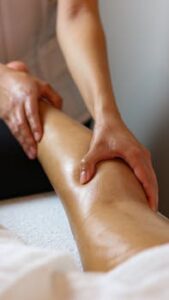 compression bandaging and garments, skin care, and therapeutic exercise — for cancer-related lymphedema. Evidence supports rehabilitation interventions in improving quality of life in women with breast cancer-related lymphedema (Muñoz-Alcaraz et al., 2023)
 - Return to work: For working-age cancer survivors, OT provides vocational rehabilitation, including workplace assessment, fatigue and cognitive management strategies, graded return-to-work planning, and employer accommodation support. A systematic review and meta-analysis confirmed that rehabilitation interventions significantly improve return-to-work outcomes in women with breast cancer (Algeo et al., 2021)
- Adaptive equipment and assistive technology: OT prescribes and trains patients in the use of adaptive equipment, from energy-saving kitchen tools to bathroom safety equipment. that maintain independence during and after treatment
- Psychosocial support and role adaptation: OT helps people with cancer adapt to changes in their roles as worker, parent, spouse, and community member — addressing the occupational identity disruption that cancer frequently causes
- Home modification: Assessing and modifying the home environment to support safe, independent function during and after treatment, particularly for those with mobility, fatigue, or cognitive limitations
For Patients & Families
- OT can help you keep doing the activities that matter most to you — cooking, caring for your family, working, pursuing hobbies — during and after cancer treatment (Sleight et al., 2022)
- If you are experiencing “chemo brain” — memory lapses, difficulty concentrating, slowed thinking — ask for an OT referral. Cognitive strategy training produces real, practical improvements in daily function (Cáceres et al., 2025)
- Lymphedema is best managed early. If you notice swelling, heaviness, or tightness in your arm, leg, or other area after cancer treatment, seek OT lymphedema assessment promptly (Muñoz-Alcaraz et al., 2023)
- Research shows that OT in hospital reduces the chance of being readmitted to hospital within 30 days by one-third. If you are admitted to hospital with cancer, ask about OT services (McNichols et al., 2024)
For Clinicians
- A 2024 retrospective study of 6,614 cancer patients confirmed OT reduces 30-day readmission risk by 33.5% compared to no OT in acute oncology settings (McNichols et al., 2024). This is Level III evidence for the clinical and economic value of OT in oncology. Advocate for routine OT access in your cancer center.
- CRCI is frequently underidentified and undertreated in oncology settings. OT-administered cognitive screening and compensatory strategy training are accessible, evidence-supported first steps that do not require formal neuropsychological evaluation (Cáceres et al., 2025).
- A 2023 systematic review confirmed that rehabilitation interventions including conservative manual lymphatic drainage, compression, and exercise significantly improve quality of life in breast cancer-related lymphedema (Muñoz-Alcaraz et al., 2023). Early lymphedema referral to OT is best practice.
6. Physical Therapy in Cancer Rehabilitation
Physical therapy is a cornerstone of cancer rehabilitation across all cancer types, treatment stages, and levels of functional impairment. PT addresses the physical deconditioning, reduced exercise capacity, musculoskeletal impairments, and mobility limitations that cancer treatment consistently produces (Beyer et al., 2024; Batalik et al., 2024).
A 2024 systematic review and meta-analysis of 12 studies involving 1,298 patients confirmed that postoperative exercise rehabilitation significantly improves cardiorespiratory fitness, functional capacity, and quality of life in people with colorectal, breast, and prostate cancer. Both endurance and combined resistance exercise programs produced significant benefits (Beyer et al., 2024).
Key areas of PT intervention in cancer rehabilitation include:
- Exercise prescription and prehabilitation: PT develops individualized exercise programs — before, during, and after cancer treatment, tailored to the person’s cancer type, treatment stage, fitness level, and functional goals. Prehabilitation before major cancer surgery improves postoperative outcomes and accelerates recovery (Beyer et al., 2024)
- Cardiorespiratory fitness restoration: Aerobic exercise programs progressively restore exercise tolerance and cardiorespiratory capacity that is significantly reduced by cancer treatment, particularly relevant for people who have received cardiotoxic chemotherapy (Beyer et al., 2024)
- Strengthening and resistance training: Muscle weakness is a near-universal consequence of cancer and treatment. Progressive resistance training improves strength, function, fatigue, and quality of life across cancer types (Beyer et al., 2024)
- Balance and fall prevention: Chemotherapy-induced peripheral neuropathy, muscle weakness, and deconditioning significantly increase fall risk in cancer survivors. PT-directed balance programs reduce fall rates and improve walking confidence
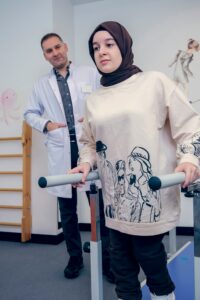
- Lymphedema management: PT lymphedema therapists provide complete decongestive therapy, therapeutic exercise, and compression management for cancer-related lymphedema (Muñoz-Alcaraz et al., 2023)
- Mobility and gait rehabilitation: Addressing walking difficulty, gait abnormalities, and mobility limitations caused by cancer-related weakness, neuropathy, or post-surgical changes
- Post-surgical rehabilitation: Including shoulder rehabilitation after breast cancer surgery, neck and shoulder rehabilitation after head and neck surgery, and abdominal rehabilitation after colorectal or gynecological cancer surgery (Beyer et al., 2024)
- Pain management: Exercise, manual therapy, and movement-based approaches to managing cancer-related and treatment-related pain (Sleight et al., 2022)
For Patients & Families
- Exercise during cancer treatment is safe and beneficial, it does not worsen cancer or interfere with treatment. The evidence for exercise in cancer is strong and growing (Beyer et al., 2024)
- Start slowly and build gradually. Even small amounts of regular activity — 10 to 15 minutes walking daily — produce meaningful benefits in fatigue and function during cancer treatment (Batalik et al., 2024)
- If you are experiencing tingling, numbness, or balance difficulties from chemotherapy (peripheral neuropathy), tell your PT. These symptoms significantly increase fall risk and are important to address proactively
- Ask about prehabilitation before any major cancer surgery. Getting stronger before surgery consistently improves postoperative recovery and reduces complications (Beyer et al., 2024)
For Clinicians
- A 2024 systematic review and meta-analysis of 12 RCTs (1,298 patients) confirmed that postoperative exercise rehabilitation significantly improves cardiorespiratory fitness (VO2max), 6-minute walk distance, quality of life, and fatigue in colorectal, breast, and prostate cancer (Beyer et al., 2024). Exercise rehabilitation should be standard post-surgical oncology care.
- Prehabilitation before major cancer surgery is supported by growing evidence for reducing postoperative complications and accelerating functional recovery. PT referral for prehabilitation should be standard practice before major oncology surgery (Beyer et al., 2024).
- Chemotherapy-induced peripheral neuropathy (CIPN) is a significant and frequently underaddressed cause of fall risk in cancer survivors. Routine balance and fall risk screening in oncology settings, with PT referral for those at risk, should be standard practice.
7. Speech-Language Pathology in Cancer Rehabilitation
Speech-language pathology addresses the communication and swallowing impairments that cancer and its treatment cause, most critically in head and neck cancer, but also in other cancer types affecting the brain, esophagus, lungs, and other structures involved in communication and swallowing (Vester et al., 2023; Weiss et al., 2025).
A 2023 systematic review confirmed that swallowing prehabilitation, SLP-delivered swallowing exercises initiated before head and neck cancer treatment, significantly protects swallowing function during and after radiation therapy, with early onset producing the strongest effects (Vester et al., 2023). A 2025 observational study of 63 head and neck cancer patients confirmed that dysphagia has a significant negative impact on quality of life, functional disabilities, and psychological distress, and that inpatient cancer rehabilitation including SLP significantly improved these outcomes (Weiss et al., 2025).
Key areas of SLP intervention in cancer rehabilitation include:
- Dysphagia evaluation and management: SLP conducts clinical and instrumental swallowing assessments (videofluoroscopic swallowing study, fiberoptic endoscopic evaluation) to identify dysphagia and aspiration risk in people with head and neck cancer. Management includes dietary texture modification, postural strategies, swallowing maneuvers, and strengthening exercises (Vester et al., 2023)
- Swallowing prehabilitation: SLP delivers pre-treatment swallowing exercise programs that build swallowing muscle reserve before radiation therapy begins, significantly
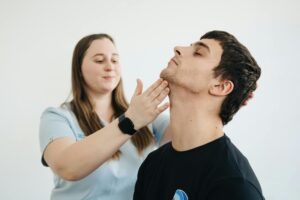 reducing the severity of radiation-induced dysphagia (Vester et al., 2023)
 - Dysphonia (voice) rehabilitation: Cancer treatment — particularly radiation to the larynx and pharynx, causes voice changes including hoarseness, reduced volume, and pitch changes. SLP addresses voice quality, projection, and vocal efficiency (Weiss et al., 2025)
- Cognitive-communication therapy: Brain cancers, brain metastases, and cancer-related cognitive impairment affect communication — including word-finding, following complex conversations, and organizing thoughts. SLP provides strategies for managing these difficulties in daily life (Cáceres et al., 2025)
- Nutritional support through dysphagia management: Dysphagia in head and neck cancer leads to malnutrition in more than half of patients, SLP-managed dietary modification and swallowing strategies support adequate nutrition and prevent aspiration (Vester et al., 2023)
- AAC: For people with severe communication impairment following laryngectomy, oropharyngeal cancer, or brain cancer, AAC systems maintain communicative participation across all settings
- Trismus management: Limited jaw opening caused by radiation-induced fibrosis significantly affects eating, dental hygiene, and communication. SLP-directed jaw stretching programs and devices address trismus in head and neck cancer survivors
For Patients & Families
- If you are about to start radiation therapy for head or neck cancer, ask immediately for a swallowing prehabilitation referral. Starting swallowing exercises before treatment produces significantly better long-term swallowing outcomes (Vester et al., 2023)
- Difficulty swallowing after head and neck cancer treatment is extremely common and often silent — aspiration can occur without coughing. If mealtimes feel effortful, food sticks, or you are losing weight, seek SLP evaluation (Weiss et al., 2025)
- Voice changes after cancer treatment are treatable. Do not accept a permanently changed voice without seeking SLP assessment (Weiss et al., 2025)
- Memory difficulties, word-finding problems, and concentration difficulties during or after cancer treatment are symptoms SLP and OT can help manage with practical strategies (Cáceres et al., 2025)
For Clinicians
- A 2023 systematic review confirmed that swallowing prehabilitation before head and neck cancer treatment significantly protects swallowing function, with early onset producing the strongest protective effects. SLP referral for swallowing prehabilitation should be standard in head and neck oncology protocols (Vester et al., 2023).
- A 2025 observational study of 63 HNC patients confirmed dysphagia has significant negative impacts on quality of life, functional disabilities, and psychological distress, and that inpatient cancer rehabilitation including SLP significantly improved these outcomes (Weiss et al., 2025).
- Trismus affects a substantial proportion of head and neck cancer survivors and is frequently underidentified. Routine jaw opening measurement and SLP referral for trismus management should be part of HNC survivorship protocols.
8. Exercise and Cancer: What the Evidence Shows
Exercise is one of the most robustly evidence-supported interventions in cancer rehabilitation, with consistent evidence across multiple systematic reviews and meta-analyses demonstrating significant improvements in fatigue, physical function, cardiorespiratory fitness, quality of life, and psychological wellbeing in cancer survivors (Beyer et al., 2024; Batalik et al., 2024; Sleight et al., 2022).
A 2024 systematic review and meta-analysis of postoperative exercise rehabilitation for colorectal, breast, and prostate cancer found significant improvements in VO2max, six-minute walk distance, quality of life, and fatigue from both endurance and combined resistance exercise programs (Beyer et al., 2024). The evidence for exercise in cancer is now strong enough that major oncology organizations, including ASCO and ESMO — recommend exercise as a standard component of cancer care.
Evidence-supported exercise approaches in cancer rehabilitation (Beyer et al., 2024; Batalik et al., 2024; Sleight et al., 2022):
- Aerobic exercise: Walking, cycling, swimming, and other low-to-moderate intensity aerobic activities improve cardiorespiratory fitness, reduce fatigue, and improve quality of life. Safe and effective during and after treatment (Beyer et al., 2024)
- Resistance training: Builds muscle strength and mass lost through cancer treatment, reduces fatigue, and improves functional capacity. Evidence supports resistance training during chemotherapy (Sleight et al., 2022)
- Combined aerobic and resistance training: Produces the strongest improvements in cardiorespiratory fitness, functional capacity, and quality of life, the recommended approach when feasible (Beyer et al., 2024)
- Yoga and mind-body exercise: Reduces fatigue, anxiety, and depression in cancer survivors and improves quality of life. Moderate evidence across multiple cancer types (Sleight et al., 2022)
- Prehabilitation exercise: Exercise initiated before surgery builds preoperative fitness reserve, reduces postoperative complications, and accelerates functional recovery, particularly for colorectal, lung, and other major surgeries (Beyer et al., 2024)
For Clinicians
- Exercise is safe during and after cancer treatment across cancer types and treatment stages. The concern that exercise may worsen cancer outcomes or interfere with treatment is not supported by evidence, the reverse is increasingly well-documented (Beyer et al., 2024).
- Exercise should be prescribed as a standard component of cancer care — not an optional lifestyle recommendation. ASCO and ESMO both recommend exercise for people with cancer, and the evidence base has strengthened substantially in recent years (Beyer et al., 2024; Sleight et al., 2022).
- For people who cannot access centre-based exercise programs, telehealth-delivered exercise rehabilitation is effective and significantly expands access. A 2024 meta-analysis (855 participants, 10 RCTs) confirmed significant improvements from telehealth exercise in cancer survivors (Batalik et al., 2024).
9. Telehealth Cancer Rehabilitation
Telehealth-delivered rehabilitation, including exercise programs, OT consultations, SLP therapy, and cognitive rehabilitation, offers a promising and evidence-supported approach to expanding cancer rehabilitation access for people who face barriers to in-person care (Batalik et al., 2024).
A 2024 systematic review and meta-analysis of 10 RCTs involving 855 cancer survivors confirmed that telehealth exercise-based cancer rehabilitation significantly improves cardiorespiratory fitness (VO2peak), physical activity levels, muscle strength, health-related quality of life, and self-reported symptoms compared to usual care. The authors concluded that telehealth exercise rehabilitation is a viable, evidence-supported alternative to center-based programs for cancer survivors (Batalik et al., 2024).
Telehealth rehabilitation is particularly valuable for:
- People in rural or remote areas with limited access to specialist cancer rehabilitation services (Batalik et al., 2024)
- People during active treatment who are immunocompromised and have limited ability to attend in-person rehabilitation (Batalik et al., 2024)
- People with cancer-related fatigue, mobility limitations, or transportation barriers that make regular in-person rehabilitation difficult
- Survivorship maintenance programs following completion of intensive in-person rehabilitation
For Patients & Families
- If in-person rehabilitation is not accessible, ask your care team about telehealth OT, PT, and SLP options. Research confirms that telehealth cancer rehabilitation produces real benefits (Batalik et al., 2024)
- Telehealth rehabilitation is particularly well-suited to times when you are immunocompromised and should limit exposure to healthcare settings
- Many insurers and Medicare now cover telehealth rehabilitation services — ask your care team or insurer about your coverage
10. What Patients and Families Can Do
Active engagement in cancer rehabilitation, by both the person with cancer and their support network — consistently produces better functional outcomes, greater independence, and improved quality of life (Sleight et al., 2022; Beyer et al., 2024).
- Request rehabilitation referrals early — at diagnosis if possible. Prehabilitation and early intervention produce better outcomes than rehabilitation initiated after treatment ends (Beyer et al., 2024)
- Ask about OT, PT, and SLP at every stage of care. Rehabilitation needs change across the cancer trajectory — at diagnosis, during treatment, after surgery, at survivorship, and if cancer recurs
- Exercise regularly, even during treatment. Even gentle daily activity — walking, stretching, light resistance exercise — produces meaningful benefits in fatigue, strength, and quality of life during cancer treatment (Batalik et al., 2024)
- Report all symptoms to your care team. Fatigue, cognitive changes, swallowing difficulties, lymphedema, balance problems, and pain are all treatable with rehabilitation, do not normalize them as inevitable consequences of cancer treatment
- Seek lymphedema assessment early. Do not wait until swelling is severe — early assessment and intervention produce better long-term outcomes (Muñoz-Alcaraz et al., 2023)
- If work is a goal, ask for vocational rehabilitation support. OT-directed return-to-work programs significantly improve employment outcomes in cancer survivors (Algeo et al., 2021)
When to Request OT, PT, or SLP Referral
- At or near the time of cancer diagnosis — prehabilitation before surgery and early intervention during treatment produce the best outcomes (Beyer et al., 2024)
- When fatigue is limiting daily activities, self-care, work, or social participation — OT for energy conservation, PT for exercise prescription (Sleight et al., 2022)
- When cancer-related cognitive changes — memory, concentration, word-finding — are affecting daily function or work — OT and SLP for cognitive strategy training (Cáceres et al., 2025)
- When swallowing is difficult, uncomfortable, or feels unsafe — urgent SLP referral (Vester et al., 2023; Weiss et al., 2025)
- Before and after any major cancer surgery — PT for prehabilitation and post-surgical rehabilitation (Beyer et al., 2024)
- When upper or lower limb swelling occurs after cancer treatment — OT or PT lymphedema assessment (Muñoz-Alcaraz et al., 2023)
- When balance problems or falls occur — PT for fall prevention and balance training
- When daily living tasks — dressing, cooking, household management — become difficult — OT for adaptive strategies and equipment
- When returning to work after cancer treatment — OT for vocational rehabilitation and return-to-work planning (Algeo et al., 2021)
- When voice has changed after head and neck cancer treatment — SLP for dysphonia assessment (Weiss et al., 2025)
11. A Note for Clinicians
Cancer rehabilitation is a high-impact, evidence-supported specialty that remains significantly underutilized in most oncology settings. The evidence base has strengthened considerably in recent years, with systematic reviews and meta-analyses confirming significant functional improvements from OT, PT, and SLP across multiple cancer types and functional domains (Sleight et al., 2022; Beyer et al., 2024; Batalik et al., 2024).
The 2022 systematic review of 362 controlled trials confirmed that rehabilitation interventions targeting physical and cognitive function in cancer survivors produce significant improvements in ADL function, physical performance, and quality of life across multiple cancer types and treatment contexts (Sleight et al., 2022). Exercise in particular has moved from an optional lifestyle recommendation to a standard of care endorsed by ASCO, ESMO, and other major oncology bodies.
OT in acute oncology settings reduces 30-day readmission by 33.5%, a finding with major clinical and economic implications for hospital-based oncology services (McNichols et al., 2024). SLP-delivered swallowing prehabilitation before head and neck cancer treatment protects long-term swallowing function and reduces the severity of radiation-induced dysphagia (Vester et al., 2023). These are not incremental findings — they represent strong evidence for expanding rehabilitation infrastructure in cancer centers.
Telehealth rehabilitation significantly expands access for people who cannot regularly attend in-person services — and is supported by a 2024 meta-analysis of 10 RCTs confirming significant improvements in fitness, quality of life, and symptoms (Batalik et al., 2024). Telehealth cancer rehabilitation programs should be available as a standard option in comprehensive cancer care.
Related Pages on TherapyTopics
- Cognitive Rehabilitation and Brain Health — Evidence-based approaches to managing cancer-related cognitive impairment and chemo brain
- Fall Prevention — Balance assessment and exercise programs for people with cancer-related weakness or neuropathy
- Adaptive Feeding — Dysphagia evaluation and management for adults with swallowing difficulties
- Augmentative & Alternative Communication (AAC) — Communication technology for people with severe dysphonia or communication impairment after cancer
- Bathing & Shower Safety — Adaptive equipment and OT strategies for safe ADL performance with cancer-related fatigue or mobility limitations
- Back Pain — Rehabilitation for musculoskeletal pain that may co-occur with cancer or cancer treatment
12. References
- Algeo, N., Bennett, K., & Connolly, D. (2021). Rehabilitation interventions to support return to work for women with breast cancer: A systematic review and meta-analysis. BMC Cancer, 21, 890. https://doi.org/10.1186/s12885-021-08613-x
- Batalik, L., Chamradova, K., Winnige, P., Dosbaba, F., Batalikova, K., Vlazna, D., Janikova, A., Pepera, G., Abu-Odah, H., & Su, J. J. (2024). Effect of exercise-based cancer rehabilitation via telehealth: A systematic review and meta-analysis. BMC Cancer, 24, 600. https://doi.org/10.1186/s12885-024-12348-w
- Beyer, M., Bischoff, C., Lässing, J., Gockel, I., & Falz, R. (2024). Effects of postoperative physical exercise rehabilitation on cardiorespiratory fitness, functional capacity and quality of life in patients with colorectal, breast, and prostate cancer: A systematic review and meta-analysis. Journal of Cancer Research and Clinical Oncology. https://doi.org/10.1007/s00432-024-06064-y
- Cáceres, M. C., Martín-Parrilla, M. Á., Montanero-Fernández, J., Santos-Fernández, A., López-Jurado, C. F., & Durán-Gómez, N. (2025). Cognitive stimulation interventions for chemotherapy-related cognitive impairment in breast cancer patients: A systematic review and meta-analysis. Cancers, 17(18), 3001. https://doi.org/10.3390/cancers17183001
- McNichols, C. C., Peterson, A. K., & Reynolds, S. (2024). The effect of occupational therapy services on hospital readmission for patients with cancer in acute care settings: A retrospective data analysis. Journal of Cancer Survivorship, 19(6), 2091–2100. https://doi.org/10.1007/s11764-024-01620-4
- Muñoz-Alcaraz, M. N., Jiménez-Vílchez, A. J., Pérula-de Torres, L. Á., Serrano-Merino, J., García-Bustillo, Á., Pardo-Hernández, R., González-Bernal, J. J., & González-Santos, J. (2023). Effect of conservative rehabilitation interventions on health-related quality of life in women with upper limb lymphedema secondary to breast cancer: A systematic review. Healthcare, 11(18), 2568. https://doi.org/10.3390/healthcare11182568
- Sleight, A. G., Gerber, L. H., Marshall, T. F., Livinski, A., Alfano, C. M., Harrington, S., Flores, A. M., Virani, A., Hu, X., Mitchell, S. A., Varedi, M., Eden, M., Hayek, S., Reigle, B., Kerkman, A., Neves, R., Jablonoski, K., Hacker, E., Sun, V., Newman, R., McDonnell, K. K., L’Hotta, A., Schoenhals, A., & Stout, N. L. (2022). Systematic review of functional outcomes in cancer rehabilitation. Archives of Physical Medicine and Rehabilitation, 103(9), 1807–1826. https://doi.org/10.1016/j.apmr.2022.01.142
- Sung, H., Ferlay, J., Siegel, R. L., Laversanne, M., Soerjomataram, I., Jemal, A., & Bray, F. (2021). Global cancer statistics 2020: GLOBOCAN estimates of incidence and mortality worldwide for 36 cancers in 185 countries. CA: A Cancer Journal for Clinicians, 71(3), 209–249. https://doi.org/10.3322/caac.21660
- Vester, S., Muhr, A., Meier, J., Süß, C., Kummer, P., & Künzel, J. (2023). Prehabilitation of dysphagia in the therapy of head and neck cancer: A systematic review of the literature and evidence evaluation. Frontiers in Oncology, 13, 1273430. https://doi.org/10.3389/fonc.2023.1273430
- Weiss, B., Köhler, J., Kühnel, T., Weiss, E., Ettl, T., & Künzel, J. (2025). The role of dysphagia on head and neck cancer patients’ quality of life, functional disabilities and psychological distress: Outcomes of cancer rehabilitation. Current Oncology, 32(4), 220. https://doi.org/10.3390/curroncol32040220
© TherapyTopics.com — All information is for educational purposes only and does not constitute medical or therapeutic advice. Consult a licensed therapist or physician for evaluation and treatment.